



创新型人才流动的空间结构与影响因素——基于高被引华人科学家履历分析
|
孙康(1998-), 男, 安徽安庆人, 硕士生, 研究方向为人才流动与创新网络。E-mail: 51193902009@stu.ecnu.edu.cn |
收稿日期: 2021-07-14
修回日期: 2022-04-07
网络出版日期: 2022-10-12
基金资助
国家自然科学基金项目(41871110)
The geographical structure and influencing factors of talent mobility:The resume analysis of highly cited Chinese scientists
Received date: 2021-07-14
Revised date: 2022-04-07
Online published: 2022-10-12
Supported by
National Natural Science Foundation of China(41871110)
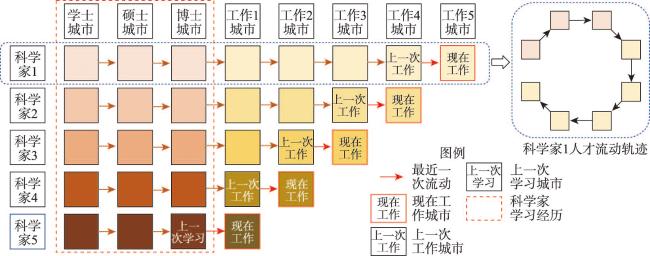
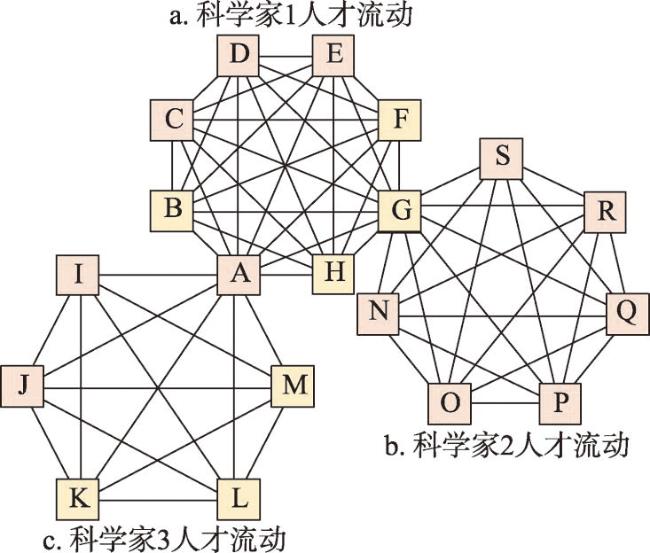
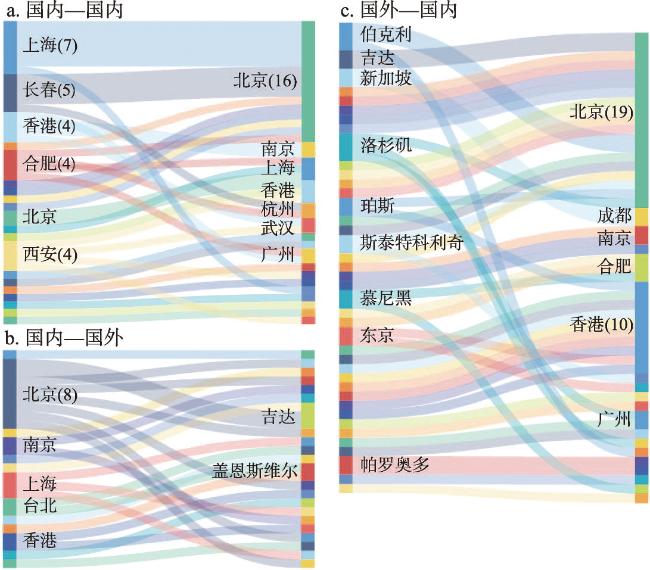
创新型人才作为重要的生产要素,对促进区域创新和竞争力提升具有决定性的作用。高被引科学家作为科研人员的杰出代表,是创新型人才的重要组成部分。本文以全球高被引华人科学家为研究对象,基于履历数据分析其流动,特别是工作阶段的流动特征;运用Heckman二阶段选择模型,对科学家工作阶段流动的影响因素进行分析,探究复合的人口迁移理论在高端人才流动中的适用性。研究发现:① 高被引华人科学家的人才流动轨迹表明,科学家的移动迁入地主要是国内外的核心城市(度中心性较高的城市)。② 高被引华人科学家工作阶段流动主要发生在中国和美国之间,中国城市多为人才迁入地,美国城市多为人才迁出地。③ 复合的人口迁移模型对高被引华人科学家工作阶段的区位选择解释作用明显。④ 高被引华人科学家国内外城市移动选择的影响因素不同,科学家的国内流动受到地理距离的限制,而迁入城市的拉力是高被引华人科学家产生跨国移动的主要原因。
孙康 , 司月芳 . 创新型人才流动的空间结构与影响因素——基于高被引华人科学家履历分析[J]. 地理学报, 2022 , 77(8) : 2113 -2130 . DOI: 10.11821/dlxb202208018
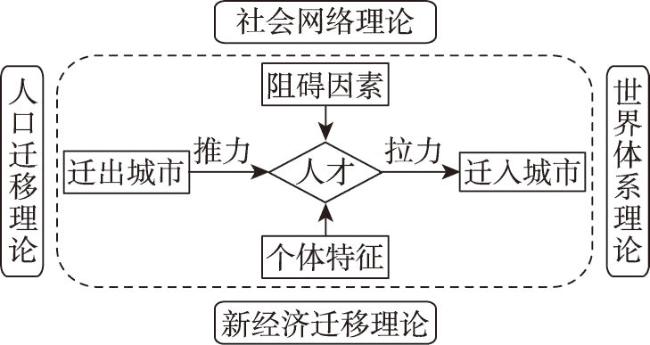
As an important innovation resource, top world talents play a vital role in promoting regional innovation and competitiveness. Among all kinds of top world talents, highly cited scientists, whose achievements are highly original and subversive, form a crucial scientific and technological force determining the direction of future scientific development. The geographical structure and influencing factors of their immigration are important and are being investigated within the field of geography. According to previous studies, different population types have different location choices. Despite existing research on the mobility of the general labor force, the question of which model is suitable for the movement of highly cited scientists has not yet been settled. This paper integrates the world city theory into population mobility studies and investigates the mobility of highly cited Chinese scientists. We compiled the list of highly cited Chinese scientists based on the 2014-2015 global list of highly cited scientists on the Web of Science as well as a background and resume information search. We proceeded with the research in the following ways: We firstly constructed a composite talent migration theory on the basis of the population migration theory in order to explore which factors affect scientists' location choice in their working periods; we secondly described their mobility characteristics during their education and working periods, including a detailed analysis of domestic and transnational migration during the working period; we thirdly applied the Heckman two-stage selection model to explore the applicability of compound population migration theory in high-end talent flow; and we finally conducted a classification study from the perspective of domestic/transnational mobility of talents and used the Probit regression model to explore the influencing factors of scientists' willingness to return to China or go abroad along with the factors that influence scientists' domestic mobility. The main conclusions can be drawn as follows: (1) The talent flow trajectory of highly cited Chinese scientists showed that the target places of scientists are mainly core cities (measured by degree centrality) at home and abroad. (2) The transnational flow direction of highly cited Chinese scientists in the working stage is mainly from American cities to Chinese cities. (3) The composite population migration model has an obvious role in explaining the location selection of highly cited Chinese scientists in their working stage. Scientists mainly choose to move to core cities and their willingness to move is largely affected by their individual characteristics. (4) The factors influencing the choice of movement of highly cited Chinese scientists at home and abroad are different. The domestic mobility of scientists is limited by geographical distance, and highly cited Chinese scientists' transnational movement is mainly affected by the pull of the destination cities. We demonstrated that the composite population migration model was more suitable for the study of talents' movement inside the region (globally or within a country), while the push-pull model was more suitable for transnational movement.
表1 人才流动测评指标Tab. 1 Talent flow evaluation index |
| 研究主题 | 对应理论 | 一级指标 | 二级指标 |
|---|---|---|---|
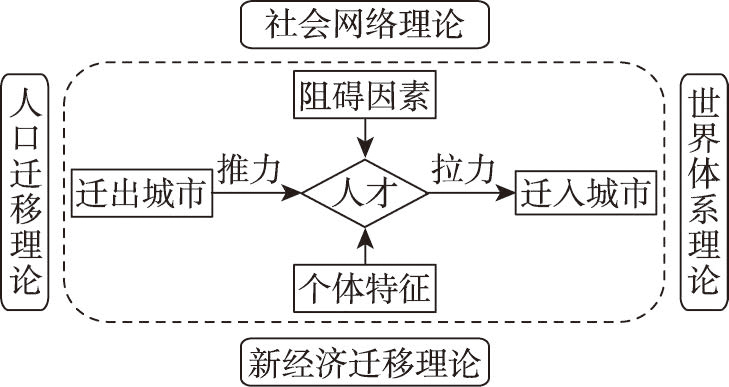
| 人才分布 | 新经济迁移理论 | 教育水平 | 万人高校学生数、985/211高校数量、中学生师比、人均教育事业费 |
| 经济发展与家庭因素 | 平均工资、家庭支出占收入比、失业率和住房均价、人均GDP、二产与三产产值比重 | ||
| 社会网络理论 | 人才政策 | 人均政府财政收入、引进海外高端人才资金、人均财政支出收入比 | |
| 世界体系理论 | 城市因素 | 城市等级、是否为省会/直辖市、市辖区人口密度 | |
| 消费城市理论 | 公共服务 | 每万人医院卫生院床位数、万人医生数、万人网民数、城市公路交通通达性、平均铁路客运量 | |
| 环境质量 | 二氧化硫排放量、绿地率、污水处理达标率、自然舒适度指数 | ||
| 科研环境 | R&D经费占GDP比重、人均科研事业费、政府研发资金 | ||
| 流动网络 | 推拉理论/人口迁移理论 | 教育水平 | 世界大学学术排名前500强的大学数量、目的国高等教育生师比、目的国高等教育入学率、目的国政府对高等教育的支出占GDP的比率、平均受教育年限、高校在校生数量 |
| 经济发展 | 目的地国人均GDP、两国人均GDP的差异、平均GDP增长率、平均收入、失业率、工资房价比 | ||
| 人口迁移理论 | 迁移距离 | 迁出地和迁入地省会城市之间空间距离、目的地国与来源国的地理距离、两城市之间的地理距离 | |
| 社会网络理论 | 人才政策 | 人才落户、人才安居、人才就业指数 | |
| 世界体系理论 | 全球化水平 | 国家或地区的商品进出口总额与GDP的比值、各省外商直接投资占GDP比重 | |
| 消费城市理论 | 公共服务 | 常住人口数量、电影院数量、人均公共汽车运营数量 | |
| 环境质量 | 平均温差 | ||
| 科技创新 | 人均专利授权量 |
表2 变量描述及预期效应Tab. 2 Descriptions and expected effects of factors |
| 变量 | 指标 | 变量描述 | 预期效应 | 均值 | 标准差 |
|---|---|---|---|---|---|
| 因变量 | 核心城市(lntcdegree) | 人才流动迁入城市的城市度中心性的自然对数 | 3.54 | 1.43 | |
| 自变量 | 个体特征 | ||||
| 被引用量(lncitations) | 科学家总被引用量的自然对数 | 未知 | 3.90 | 2.79 | |
| 论文数量(lnpapers) | 科学家发表论文的数量的自然对数 | 未知 | 1.78 | 1.07 | |
| 制度邻近(samecountry) | 虚拟变量,科学家的迁出城市与迁入城市处于同一个国家为1,反之为0 | + | 0.63 | 0.48 | |
| 阻碍因素 | |||||
| 地理距离(lndistance) | 科学家移动迁出城市与迁入城市距离的自然对数 | - | 14.81 | 1.30 | |
| 迁出城市因素: | |||||
| 迁出城市度中心性(lnocdegree) | 人才流动迁出城市的城市度中心性的自然对数 | - | 3.39 | 1.32 | |
| 迁出城市科技活跃度(lnocsize) | 人才流动迁出城市的城市论文数量的自然对数 | - | 8.03 | 2.06 | |
| 迁出城市为中国城市(oc_c) | 虚拟变量,迁出城市为中国城市为1,反之为0 | - | 0.30 | 0.46 | |
| 迁出城市大学数量(ocuniversitynum) | 人才流动迁出城市所包含进入世界大学学术排名前500强的大学数量 | - | 1.70 | 1.82 | |
| 迁出城市研究集群(ocresearchcluster) | 表示相同的研究集群,人才流动迁出城市是否包含科学家所在学科排名前100的高校,有则为1,反之为0 | - | 0.70 | 0.46 | |
| 迁入城市因素 | |||||
| 迁入城市科技活跃度(lntcsize) | 人才流动迁入城市的城市论文数量的自然对数 | + | 8.26 | 2.25 | |
| 迁入城市为中国城市(tc_c) | 虚拟变量,迁入城市为中国城市为1,反之为0 | + | 0.36 | 0.48 | |
| 迁入城市大学数量(tcuniversitynum) | 人才流动迁入城市所包含进入世界大学学术排名前500强的大学数量 | + | 2.14 | 2.24 | |
| 迁入城市研究集群(tcresearchcluster) | 表示相同的研究集群,人才流动迁入城市是否包含科学家所在学科排名前100的高校,有则为1,反之为0 | + | 0.72 | 0.45 |
表3 科学家学士到工作阶段经历城市统计(前10)(人)Tab. 3 Descriptive statistics on the city distribution of the scientists in the bachelor to working phase (top 10) |
| 城市/国家 | 学士 | 硕士 | 博士 | 工作1 | 工作2 | 工作3 |
|---|---|---|---|---|---|---|
| 北京 | 41 | 46 | 31 | 17 | 26 | 7 |
| 南京 | 28 | 25 | 10 | 4 | 4 | - |
| 合肥 | 21 | 14 | 4 | 4 | 6 | 2 |
| 上海 | 19 | 21 | 11 | 6 | 7 | 1 |
| 杭州 | 14 | 13 | 3 | 4 | 2 | 1 |
| 西安 | 14 | 11 | 5 | 3 | 3 | 1 |
| 长春 | 11 | 14 | 14 | 2 | 3 | 1 |
| 剑桥[美] | 4 | 8 | 16 | 8 | 8 | 1 |
| 新加坡 | 3 | 3 | 5 | 13 | 12 | 3 |
| 香港 | 2 | 2 | 7 | 17 | 9 | 5 |
表4 高被引华人科学家学习阶段迁入—迁出表(前20)Tab. 4 Mobility characteristics of highly cited Chinese scientists in their education stages (Top 20) |
| 流动方向 | 学士—硕士 迁移人数(人) | 硕士—博士 迁移人数(人) | 总人数 (人) |
|---|---|---|---|
| 北京—北京 | 29 | 15 | 44 |
| 南京—南京 | 20 | 4 | 24 |
| 长春—长春 | 10 | 12 | 22 |
| 合肥—合肥 | 12 | 3 | 15 |
| 上海—上海 | 9 | 6 | 15 |
| 杭州—杭州 | 10 | 3 | 13 |
| 西安—西安 | 9 | 4 | 13 |
| 哈尔滨—哈尔滨 | 7 | 4 | 11 |
| 剑桥[美]—剑桥[美] | 4 | 4 | 8 |
| 新竹—新竹 | 5 | 1 | 6 |
| 大连—大连 | 4 | 2 | 6 |
| 广州—广州 | 4 | 2 | 6 |
| 武汉—武汉 | 3 | 3 | 6 |
| 新加坡—新加坡 | 3 | 2 | 5 |
| 南京—北京 | 3 | 2 | 5 |
| 台北—台北 | 3 | 1 | 4 |
| 兰州—兰州 | 3 | 1 | 4 |
| 天津—天津 | 3 | 1 | 4 |
| 南京—上海 | 2 | 2 | 4 |
| 北京—纽约 | 2 | 2 | 4 |
| 合肥—剑桥[美] | 0 | 4 | 4 |
表5 高被引华人科学家工作阶段流动网络城市节点分析(前10)Tab. 5 Node characteristics of the mobility network of highly cited Chinese scientists in their working stage (Top 10) |
| 城市/国家 | 入度 | 出度 | 入度出度差值 | 度中心性 | 接近中心度 | 中间中心度 |
|---|---|---|---|---|---|---|
| 北京 | 26 | 10 | 16 | 36 | 0.363 | 0.11 |
| 香港 | 14 | 6 | 8 | 20 | 0.232 | 0.041 |
| 新加坡 | 11 | 4 | 7 | 15 | 1.000 | 0.007 |
| 圣路易斯 | 7 | 1 | 6 | 8 | 0.400 | 0.014 |
| 剑桥[美] | 6 | 12 | -6 | 18 | 0.367 | 0.028 |
| 帕罗奥多 | 6 | 11 | -5 | 17 | 0.388 | 0.076 |
| 伯克利 | 6 | 8 | -2 | 14 | 0.321 | 0.025 |
| 上海 | 5 | 6 | -1 | 11 | 0.276 | 0.01 |
| 洛杉矶 | 5 | 5 | 0 | 10 | 0.311 | 0.019 |
| 西雅图 | 4 | 9 | -5 | 13 | 0.274 | 0.016 |
表6 高被引华人科学家工作阶段迁入—迁出表(前20)Tab. 6 Mobility characteristics of highly cited Chinese scientists in the working stage (Top 20) |
| 国内/跨国流动 | 上一次工作 所在国家 | 当前工作 所在国家 | 人数(人) | 国内/跨国流动 | 上一次工作 所在国家 | 当前工作 所在国家 | 人数(人) |
|---|---|---|---|---|---|---|---|
| 国内流动 | 美国 | 美国 | 111 | 跨国流动 | 美国 | 新加坡 | 5 |
| 中国 | 中国 | 67 | 日本 | 中国 | 5 | ||
| 加拿大 | 加拿大 | 5 | 加拿大 | 中国 | 4 | ||
| 英国 | 英国 | 5 | 美国 | 加拿大 | 4 | ||
| 澳大利亚 | 澳大利亚 | 4 | 中国 | 日本 | 4 | ||
| 新加坡 | 新加坡 | 2 | 澳大利亚 | 中国 | 3 | ||
| 德国 | 德国 | 1 | 英国 | 中国 | 3 | ||
| 跨国流动 | 美国 | 中国 | 26 | 中国 | 沙特阿拉伯 | 3 | |
| 中国 | 美国 | 11 | 加拿大 | 美国 | 2 | ||
| 德国 | 中国 | 5 | 加拿大 | 新加坡 | 2 | ||
| 加拿大 | 新加坡 | 2 |
表7 Heckman二阶段选择模型回归结果Tab. 7 Regression results of Heckman's two-stage selection model |
| 指标 | OLS | Heckman |
|---|---|---|
| lntcdegree | lntcdegree | |
| lncitations | 0.0546* (0.0277) | 0.0634** (0.0285) |
| lnpapers | -0.0232 (0.0680) | -0.0315 (0.0619) |
| samecountry | 0.195 (0.153) | 0.191 (0.144) |
| lnocdegree×lncitations | -5.74e-05 (0.000122) | -6.26e-05 (0.000111) |
| lndistance | 0.100** (0.0495) | 0.0992* (0.0537) |
| lnocdegree | 0.131 (0.0831) | 0.135* (0.0763) |
| lnocsize | -0.0457* (0.0248) | -0.0454* (0.0266) |
| oc_c | -0.131 (0.154) | -0.163 (0.165) |
| ocuniversitynum | 0.00699 (0.0359) | 0.00632 (0.0389) |
| ocresearchcluster | -0.315** (0.155) | -0.313** (0.156) |
| lntcsize | 0.0769*** (0.0217) | 0.0783*** (0.0232) |
| tc_c | 1.342*** (0.168) | 1.342*** (0.133) |
| tcuniversitynum | 0.155*** (0.0485) | 0.155*** (0.0312) |
| tcresearchcluster | 1.290*** (0.158) | 1.294*** (0.131) |
| Constant | -0.421 (0.786) | -0.492 (0.884) |
| move | ||
| lncitations | 0.155*** (0.0493) | |
| lnpapers | -0.120 (0.120) | |
| lnocdegree×lncitations | -4.09e-05 (0.000194) | |
| circulation | 0.911*** (0.281) | |
| lnocdegree | -0.275* (0.159) | |
| lnocsize | -0.0145 (0.0474) | |
| oc_c | -0.270 (0.255) | |
| ocuniversitynum | -0.0624 (0.0778) | |
| ocresearchcluster | 0.183 (0.298) | |
| IMR | 0.185 (0.319) | |
| Constant | 1.039** (0.478) | |
| Observations | 309 | |
| R2 | 0.724 |
注:***:p < 0.01,**:p < 0.05,*:p < 0.1。 |
表8 Probit回归模型回归结果Tab. 8 Regression results of Probit regression model |
| 指标 | 模型1 | 模型2 | 模型3 | ||
|---|---|---|---|---|---|
| 国内—国内 | 国内—国外 | 国外—国内 | |||
| lncitations | -0.0940 (0.0842) | -0.0567 (0.117) | 0.0285 (0.0682) | ||
| lnpapers | 0.301* (0.159) | 0.287 (0.246) | 0.0505 (0.187) | ||
| lnocdegree×lncitations | -0.000870* (0.000447) | 7.52e-05 (0.000994) | -0.000633 (0.000457) | ||
| lndistance | -1.024*** (0.161) | 1.456*** (0.293) | 1.411*** (0.183) | ||
| lnocdegree | 1.389*** (0.324) | 1.812*** (0.504) | -0.360* (0.189) | ||
| lnocsize | -0.0349 (0.0755) | 0.0916 (0.118) | 0.133* (0.0782) | ||
| ocuniversitynum | 0.101 (0.102) | 0.446*** (0.114) | -0.0733 (0.116) | ||
| ocresearchcluster | -2.589*** (0.641) | -4.487*** (0.994) | 0.470 (0.382) | ||
| lntcdegree | 1.032*** (0.285) | -1.149*** (0.286) | 1.246*** (0.245) | ||
| lntcsize | -0.0643 (0.0662) | 0.688*** (0.260) | -0.119** (0.0562) | ||
| tcuniversitynum | 0.223* (0.119) | -0.0167 (0.182) | 0.209*** (0.0613) | ||
| tcresearchcluster | -2.645*** (0.642) | -0.283 (0.588) | -2.944*** (0.729) | ||
| Constant | 8.363*** (2.045) | -32.08*** (6.461) | -25.39*** (3.116) | ||
| Observations | 255 | 255 | 255 |
注:*** p < 0.01,** p < 0.05,* p < 0.1。 |
| [1] |
[ 王广民, 林泽炎. 创新型科技人才的典型特质及培育政策建议:基于84名创新型科技人才的实证分析. 科技进步与对策, 2008, 25(7): 186-189.]
|
| [2] |
|
| [3] |
[ 马海涛. 基于人才流动的城市网络关系构建. 地理研究, 2017, 36(1): 161-170.]
|
| [4] |
[ 黄海刚. 从人才流失到人才环流: 国际高水平人才流动的转换. 高等教育研究, 2017, 38(1): 90-97, 104.]
|
| [5] |
|
| [6] |
[ 崔丹, 李国平, 吴殿廷, 等. 中国创新型人才集聚的时空格局演变与影响机理. 经济地理, 2020, 40(9): 1-14.]
|
| [7] |
[ 司月芳, 孙康, 朱贻文, 等. 高被引华人科学家知识网络的空间结构及影响因素. 地理研究, 2020, 39(12): 2731-2742.]
|
| [8] |
|
| [9] |
[ 刘晔, 沈建法, 刘于琪. 西方高端人才跨国流动研究述评. 人文地理, 2013, 28(2): 7-12.]
|
| [10] |
|
| [11] |
|
| [12] |
[ 古恒宇, 沈体雁. 中国高学历人才的空间演化特征及驱动因素. 地理学报, 2021, 76(2): 326-340.]
|
| [13] |
[ 侯纯光, 杜德斌, 刘承良, 等. 全球留学生留学网络时空演化及其影响因素. 地理学报, 2020, 75(4): 681-694.]
|
| [14] |
[ 魏浩, 王宸, 毛日昇. 国际间人才流动及其影响因素的实证分析. 管理世界, 2012(1): 33-45.]
|
| [15] |
|
| [16] |
[ 周亮, 张亚. 中国顶尖学术型人才空间分布特征及其流动趋势: 以中国科学院院士为例. 地理研究, 2019, 38(7): 1749-1763.]
|
| [17] |
[ 李瑞, 吴殿廷, 鲍捷, 等. 高级科学人才集聚成长的时空格局演化及其驱动机制: 基于中国科学院院士的典型分析. 地理科学进展, 2013, 32(7): 1123-1138.]
|
| [18] |
|
| [19] |
[ 姜炎鹏, 王鑫静, 马仁锋. 创新人才集聚的理论探索: 全球人才流动的城市选择视角. 地理科学, 2021, 41(10): 1802-1811.]
|
| [20] |
|
| [21] |
|
| [22] |
|
| [23] |
|
| [24] |
|
| [25] |
[ 侯纯光, 杜德斌, 段德忠, 等. “一带一路”沿线国家或地区人才流动网络结构演化. 地理科学, 2019, 39(11): 1711-1718.]
|
| [26] |
[ 古恒宇, 沈体雁, 刘子亮, 等. 基于空间滤波方法的中国省际人口迁移驱动因素. 地理学报, 2019, 74(2): 222-237.]
|
| [27] |
|
| [28] |
|
| [29] |
|
| [30] |
|
| [31] |
[ 张康之, 张桐. “世界体系论”的“中心—边缘”概念考察. 中国人民大学学报, 2015, 29(2): 80-89.]
|
| [32] |
|
| [33] |
[ 高岩辉, 刘科伟, 张晓露. 劳动力转移的理论流派与地理学的视角. 人文地理, 2008, 23(5): 112-118.]
|
| [34] |
|
| [35] |
[ 王若宇, 黄旭, 薛德升, 等. 2005—2015年中国高校科研人才的时空变化及影响因素分析. 地理科学, 2019, 39(8): 1199-1207.]
|
| [36] |
[ 史文天. 中国科学家的空间流动与科研合作研究: 基于两院院士的分析[D]. 上海: 华东师范大学, 2020.]
|
| [37] |
[ 刘斌, 魏倩, 吕越, 等. 制造业服务化与价值链升级. 经济研究, 2016, 51(3): 151-162.]
|
| [38] |
[ 武荣伟, 王若宇, 刘晔, 等. 2000—2015年中国高学历人才分布格局及其影响机制. 地理科学, 2020, 40(11): 1822-1830.]
|
| [39] |
|
| [40] |
[ 田瑞强, 姚长青, 袁军鹏, 等. 基于履历信息的海外华人高层次人才成长研究: 生存风险视角. 中国软科学, 2013(10): 59-67.]
|
/
| 〈 |
|
〉 |