



区域环境功能管控区划方法及应用
|
陈妤凡(1994-), 女, 浙江舟山人, 博士生, 主要从事区域经济与可持续发展研究。E-mail: chenyf.16s@igsnrr.ac.cn |
收稿日期: 2020-01-10
要求修回日期: 2020-12-21
网络出版日期: 2021-05-25
基金资助
中国科学院战略性先导科技专项(XDA23020101)
版权
Technical method and application of the regional environmental function management and control zoning
Received date: 2020-01-10
Request revised date: 2020-12-21
Online published: 2021-05-25
Supported by
The Strategic Priority Research Program of Chinese Academy of Sciences(XDA23020101)
Copyright
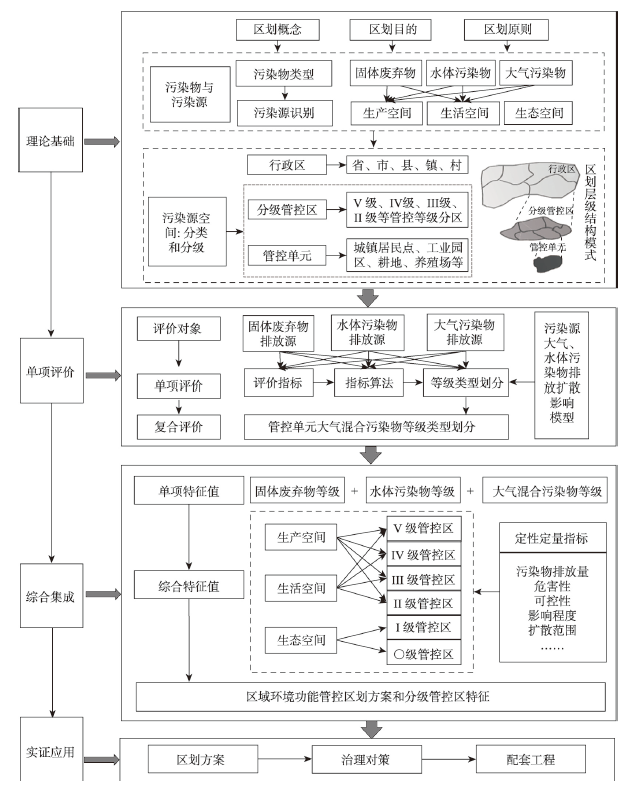
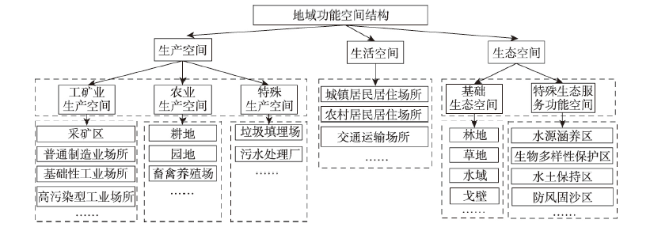
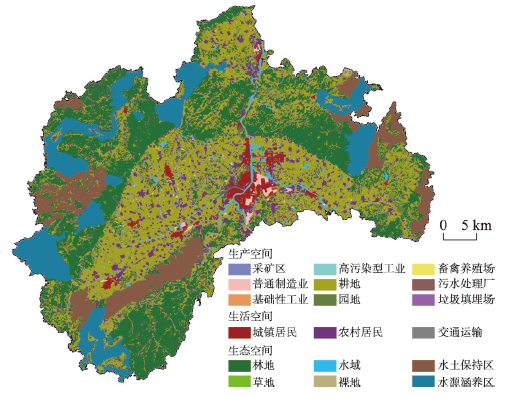
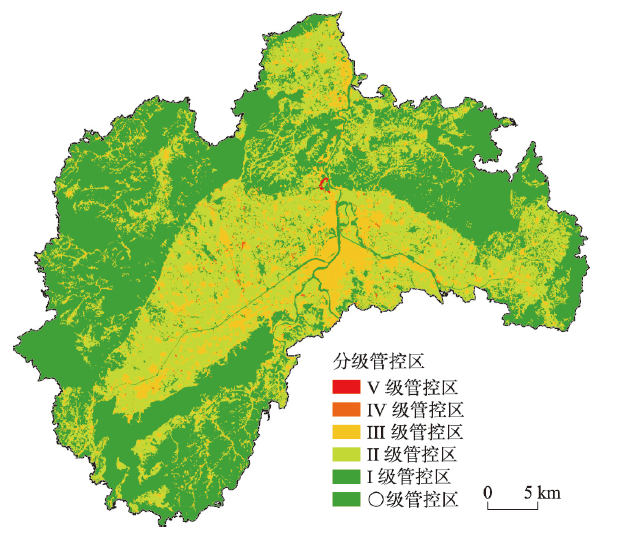
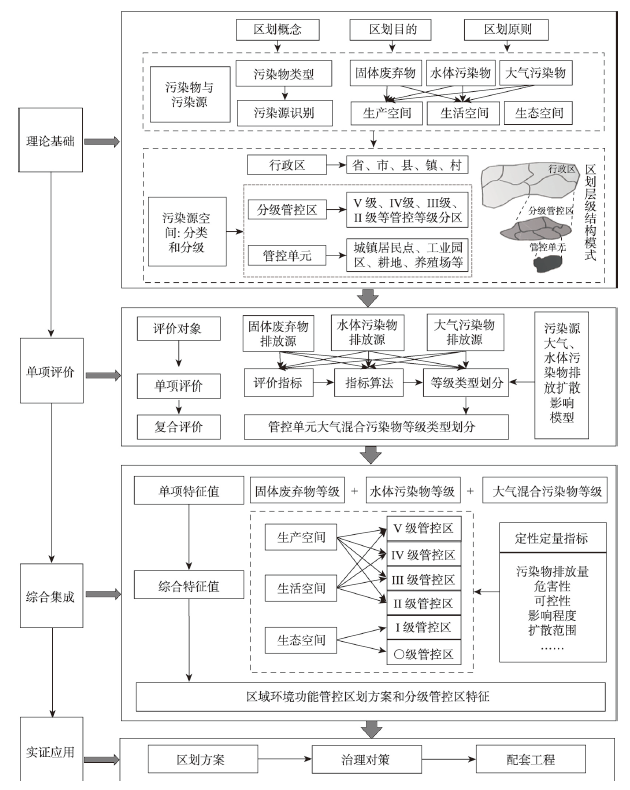
以生产、生活污染源为对象进行环境空间管控是新时期区域环境保护治理和国土精细化管治的新路径。本文在明确区域环境功能管控区划的概念、目的和原则的基础上,科学识别污染物与污染源空间,提出管控单元和分级管控区的空间结构模式,建立环境污染物的单项评价指标算法和综合集成模型,形成区域环境功能管控区划技术方法,并在浙江省嵊州市进行县级尺度的实证应用研究。研究表明,嵊州市共有垃圾填埋场、污水处理厂、高污染型工业场所、畜禽养殖场、居民居住场所等18个管控单元类型,按集成特征值高低及污染排放特征可归类至Ⅴ级、Ⅳ级、Ⅲ级、Ⅱ级、Ⅰ级和〇级管控区。Ⅴ级和Ⅳ级管控区以工矿业生产空间为主,污染排放量大,对水体、大气和土壤等影响程度高,存在危害性,是源头管控的重点。Ⅲ级管控区覆盖生活空间,污染排放中等,影响大气和水体,可控性相对较弱。Ⅱ级管控区有少量的农业固废和废水排放,存在面源污染风险。Ⅰ级和〇级管控区内部无环境污染源,强调生态保护的重要程度。其中,〇级管控区是生态保护红线范围,实施最严格的环境保护制度,要求“零排放,零污染”。区域环境功能管控区划方法具有可操作性,可为地方开展中长期环境保护与发展规划提供新的方法。
陈妤凡 , 徐勇 . 区域环境功能管控区划方法及应用[J]. 地理学报, 2021 , 76(3) : 663 -679 . DOI: 10.11821/dlxb202103012
Environmental governance plays a pivotal role in promoting the high-quality development of environment, and the implementation of source control and zoning management is the foundation of the refined governance of environmental space. This paper aims to put forward the theoretical and technical methods of regional environmental function management and control zoning, and carry out an empirical study on Shengzhou city, Zhejiang province. First, a spatial structure model of the environmental pollution sources (EPSs) for human activities, which is composed of control units (CUs) and hierarchical control areas (HCAs), has been formed and identified. Then, the solid waste, air pollutants and water pollutants are selected as the main pollutants, and the single evaluation and weighted sum have been measured for each CU. Finally, according to the spatial classification of the CUs and the integrated eigenvalues, key countermeasures and supporting projects of each HCA are proposed. The main results are as follows: (1) Shengzhou city has a total of 18 CUs, which can be divided into 6 HCAs. HACs of levels Ⅴ and Ⅳ are the areas where pollutants are discharged intensively, with integrated eigenvalues of 11 and 10 respectively. The CUs, including refuse landfill, sewage-treatment plant, high-pollution industrial zone, livestock and poultry farm, mining area, and basic industrial zone, have hugh impact on water and atmosphere, and have great hazards. It is necessary to promote the resource utilization of industrial and mining production space in the key area of environmental governance. (2) The emissions of pollutants in the HACs of levels Ⅲ and Ⅱ are medium or even less. The CUs of level-Ⅲ HAC cover urban settlements, rural settlements and transportation land, with integrated eigenvalues of 6 and 7. It is important to improve the collection and treatment technology of solid waste and sewage in all living space. In addition, HAC of level-Ⅱ includes two CUs, which are cultivated land and garden plot, with integrated eigenvalues of 4. It has a small amount of agricultural solid waste and sewage discharge, therefore, it is urgent to solve the problems of non-point source pollution and eutrophication. (3) HACs of level-Ⅰ is composed of forest land, garden land, water area, bare land and other ecological space, with more emphasis on ecological protection function. Large scale industrialization and urbanization are prohibited in the area. HAC of level 〇 highly overlaps ecological redline, which requires complete prohibition of human activities and the elimination of external environmental impact.
表1 环境功能分级管控区人为污染物排放特征Tab. 1 Emission characteristics of man-made pollutants inhierarchical control area of environmental function |
| 分级管控区 | 污染物类型 | 排放量 | 危害性 | 可控性 | 影响范围 | |
|---|---|---|---|---|---|---|
| 生产和生活空间 | Ⅴ级管控区 | 固废、废水、废气 | 大 | 有毒性、放射性等高危害性 | 高 | 影响水、土、气,程度高,范围广 |
| Ⅳ级管控区 | 固废、废水、废气 | 较大 | 存在一定危害性,但无有毒性、放射性 | 高 | 影响水、土、气,程度和范围较Ⅴ级小 | |
| Ⅲ级管控区 | 固废、废水、废气 | 中等 | 少量危害性 | 较高,大气可控性弱 | 影响水和气,程度低,范围小 | |
| Ⅱ级管控区 | 有机质污染物 | 少量 | 基本无危害 | 弱 | 影响水体,程度低,范围广 | |
| 生态空间 | Ⅰ级管控区 | 管控区外的污染物 | 微量 | 无 | 较弱 | 基本无影响 |
| 〇级管控区 | 无人类活动污染物 | 零 | 无 | 高 | 无影响 | |
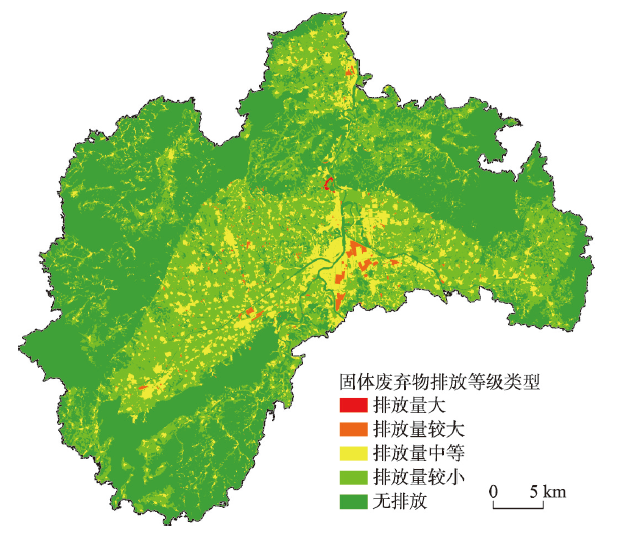
表2 嵊州市固废污染源空间等级类型基本特征Tab. 2 Characteristics of classified areas of solid waste pollution sources in Shengzhou city |
| 等级类型 | 排放量区间(万t/a) | 主要管控单元/类型 | 土地面积(hm2) |
|---|---|---|---|
| 排放量大 | ≥ 16 | 垃圾填埋场、污水处理厂 | 40.86 |
| 排放量较大 | 12~16 | 工业园区①、采矿区、畜禽养殖场 | 1418.31 |
| 排放量中等 | 4~12 | 城镇、农村居民居住场所 | 11484.20 |
| 排放量较小 | 0~4 | 交通运输场所、耕地、园地 | 67961.84 |
| 无排放 | 0 | 上述以外的管控单元 | 98071.77 |
注:①工业园区包括基础性工业、高污染型工业和普通制造业,其中普通制造业固废排放量显著少于前两者。 |
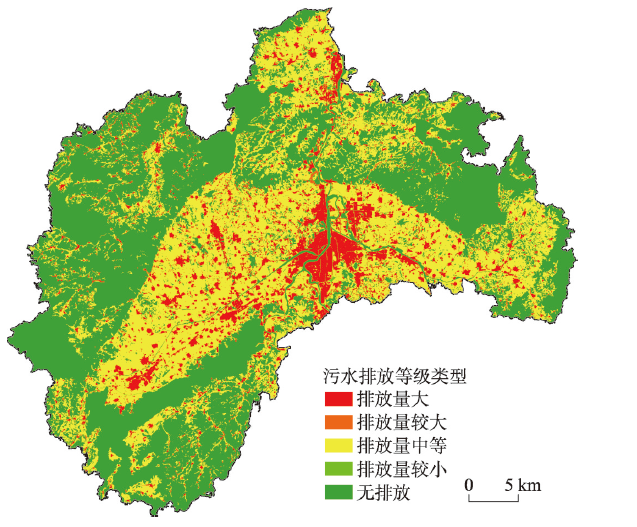
表3 嵊州市污水排放源空间等级类型基本特征Tab. 3 Characteristics of classified areas of wastewater pollution sources in Shengzhou city |
| 等级类型 | 主要管控单元/类型 | 土地面积(hm2) |
|---|---|---|
| 排放量大 | 城镇、农村居民居住场所、工业园区①、采矿区② | 12786.19 |
| 排放量较大 | 畜禽养殖场、垃圾填埋场、污水处理厂③ | 160.81 |
| 排放量中等 | 耕地、园地④ | 66623.79 |
| 排放量较小 | 交通运输场所 | 1338.05 |
| 无排放 | 上述以外的管控单元 | 98071.77 |
注:①工业园区中,普通制造业污水排放量显著小于基础性工业和高污染型工业;②采矿区污水排放指标值被包含在工业园区中;③污水处理厂(农村生活污水治理终端、嵊新污水处理厂)的指标值属重复统计,需考虑直接出水水质和河道水质标准;④园地污水排放指标值被包含在耕地中。 |
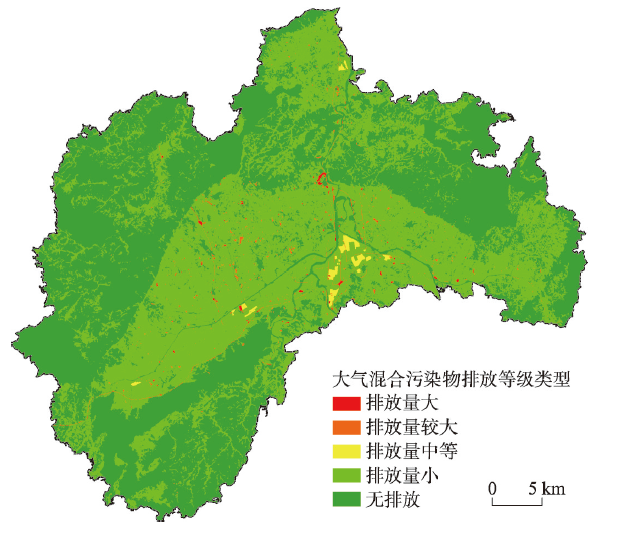
表4 嵊州市大气混合污染物排放源空间等级类型基本特征Tab. 4 Characteristics of classified areas of mixed-air pollution sources in Shengzhou city |
| 等级类型 | 特征值区间 | 主要管控单元/类型 | 土地面积(hm2) |
|---|---|---|---|
| 排放量大 | ≥ 1 | 交通运输场所、高污染型工业场所、畜禽养殖场、垃圾填埋场、污水处理厂 | 1530.00 |
| 排放量较大 | 0.5~1 | 基础性工业场所、采矿区 | 661.98 |
| 排放量中等 | 0.2~0.5 | 普通制造业场所 | 609.65 |
| 排放量较小 | 0~0.2 | 城镇、农村居民点、耕地、园地 | 78107.99 |
| 无排放 | 0 | 上述以外的管控单元 | 98071.77 |
| [1] |
[ 施红英. 环境功能区划与主体功能区划关系的思考. 能源与节能, 2019(1):83-84, 118.]
|
| [2] |
National Research Council of USA. New Strategies for America's Watersheds. Washington DC: National Academy Press, 1999: 1-36.
|
| [3] |
|
| [4] |
|
| [5] |
|
| [6] |
[ 张惠远. 我国环境功能区划框架体系的初步构想. 环境保护, 2009,4(2):7-10.]
|
| [7] |
[ 许开鹏, 黄一凡, 石磊. 已有区划评析及对环境功能区划的启示. 环境保护, 2010(14):17-20.]
|
| [8] |
[ 薛志钢, 柴发合, 段宁, 等. “两控区”酸雨和二氧化硫污染控制的趋势和对策. 中国能源, 2002(11):4-7.]
|
| [9] |
[ 周丰, 刘永, 黄凯, 等. 流域水环境功能区划及其关键问题. 水科学进展, 2007,18(2):216-222.]
|
| [10] |
[ 曾庆国. 噪声功能区划中一类、二类混合区域的划定方法研究. 干旱环境监测, 1993,7(2):95-98.]
|
| [11] |
[ 陈文颖, 方栋, 薛大知. 大气功能区划分的多因子评分法. 环境科学与技术, 1998(1):5-8, 29.]
|
| [12] |
[ 蔡佳亮, 殷贺, 黄艺. 生态功能区划理论研究进展. 生态学报, 2010,30(11):3018-3027.]
|
| [13] |
[ 王金南, 许开鹏, 迟妍妍, 等. 我国环境功能评价与区划方案. 生态学报, 2014,34(1):129-135.]
|
| [14] |
[ 李王锋, 吕春英, 汪自书, 等. 地级市战略环境评价中“三线一单”理论研究与应用. 环境影响评价, 2018,40(3):14-18.]
|
| [15] |
[ 耿海清. “三线一单”在我国空间规划体系中的定位浅析. 环境与可持续发展, 2019,44(5):78-82.]
|
| [16] |
[ 蒋洪强, 刘年磊, 胡溪, 等. 我国生态环境空间管控制度研究与实践进展. 环境保护, 2019,47(13):32-36.]
|
| [17] |
[ 许开鹏, 迟妍妍, 陆军, 等. 环境功能区划进展与展望. 环境保护, 2017,45(1):53-57.]
|
| [18] |
[ 王慧觉, 曾德芳, 陈方先, 等. 污染源概念和公路污染源界定. 交通环保, 1999,20(1):31-33.]
|
| [19] |
United States Environmental Protection Agency. Pollutant Emissions Summary Files for Earlier NEIs. https://www.epa.gov/air-emissions-inventories/pollutant-emissions-summary-files-earlier-neis, 1990-07/2019-11-27.
|
| [20] |
United States Environmental Protection Agency. Interactive 2014 NEI Report and Data Exploration Tool. https://gispub.epa.gov/neireport/2014/, 2018-07/ 2019-11-27.
|
| [21] |
European Environment Agency. EMEP/CORINAIR Emission Inventory Guidebook. 3rd ed. 2001. https://www.eea.europa.eu//publications/technical_report_2001_3, 2002-01/2019-11-27.
|
| [22] |
|
| [23] |
|
| [24] |
|
| [25] |
|
| [26] |
|
| [27] |
[ 夏思佳, 刘倩, 赵秋月. 江苏省人为源VOCs排放清单及其对臭氧生成贡献. 环境科学, 2018,39(2):592-599.]
|
| [28] |
[ 闫东杰, 丁毅飞, 玉亚, 等. 西安市人为源一次PM2.5排放清单及减排潜力研究. 环境科学研究, 2019,32(5):813-820.]
|
| [29] |
[ 黄宇, 虎彩娇, 成海容, 等. 武汉市扬尘源颗粒物排放清单及空间分布特征. 武汉大学学报(理学版), 2018,64(4):354-362.]
|
| [30] |
[ 薛亦峰, 闫静, 宋光武, 等. 大气污染物排放清单的建立及不确定性. 城市环境与城市生态, 2012,25(2):31-33.]
|
| [31] |
[ 宣莹莹, 陈霖, 耿红, 等. 太原市NH3排放量估算及地域分布特征分析. 山西农业科学, 2015,43(2):176-179, 184.]
|
| [32] |
[ 赵海萍, 李清雪, 陶建华. 渤海湾表层水质时空变化及污染源识别. 水力发电学报, 2016,35(10):21-30.]
|
| [33] |
[ 王景瑞, 胡立堂. 地下水污染源识别的数学方法研究进展. 水科学进展, 2017,28(6):943-952.]
|
| [34] |
|
| [35] |
|
| [36] |
|
| [37] |
|
| [38] |
|
| [39] |
|
| [40] |
[ 樊杰. 中国主体功能区划方案. 地理学报, 2015,70(2):186-201.]
|
| [41] |
[ 熊善高, 万军, 吕红迪, 等. “三线一单”环境管控单元划定研究: 以济南市为例. 环境污染与防治, 2019,41(6):731-736.]
|
| [42] |
[ 任建新, 李爽, 马会强, 等. 辽宁省抚顺市生态功能区划. 水土保持通报, 2018,38(5): 161-167,173, 353.]
|
| [43] |
[ 许杰玉, 汪自书, 毛磊, 等. 基于“多规合一”空间规划的环境管控机制研究. 环境与可持续发展, 2019,44(5):83-85.]
|
| [44] |
[ 饶瑶, 佟洪金, 余涛, 等. 濑溪河流域泸县段水污染源分析及对策研究. 四川环境, 2017,36(3):60-65.]
|
| [45] |
[ 梁时军, 黄银春, 尹鹏. 义兴河流域水污染源分析及对策研究. 绿色科技, 2019(10):91-93, 96.]
|
/
| 〈 |
|
〉 |