



Theoretical framework construction and empirical examination of ecosystem disservices
Received date: 2024-10-09
Revised date: 2025-12-02
Online published: 2026-03-20
Supported by
National Natural Science Foundation of China(42271263)
National Natural Science Foundation of China(41930757)
Fundamental Research Funds for the Central Universities(SWU-KT22008)
Opening Funds from Chongqing Jinfo Mountain Karst Ecosystem National Research and Observation Station(JFS2023A01)
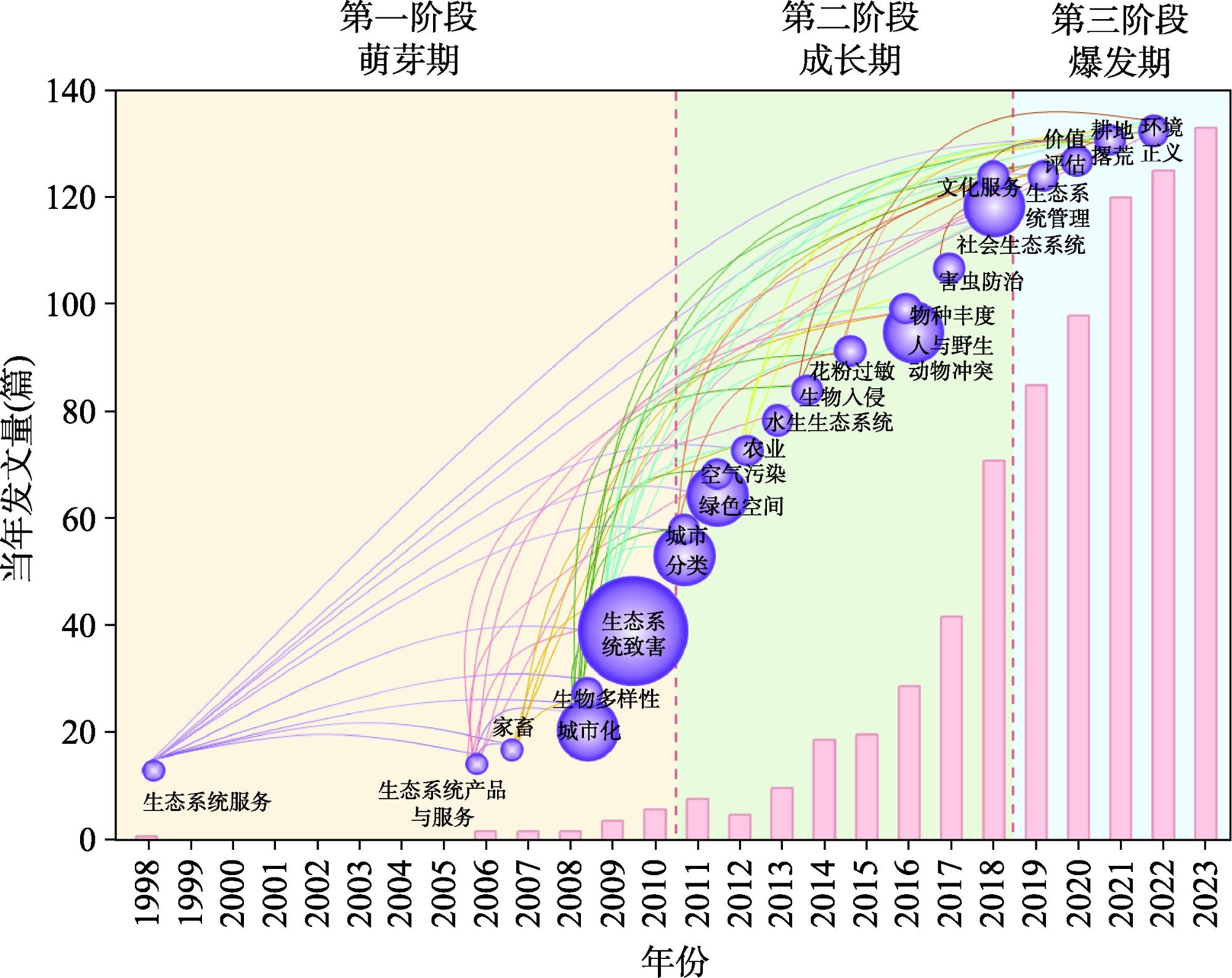
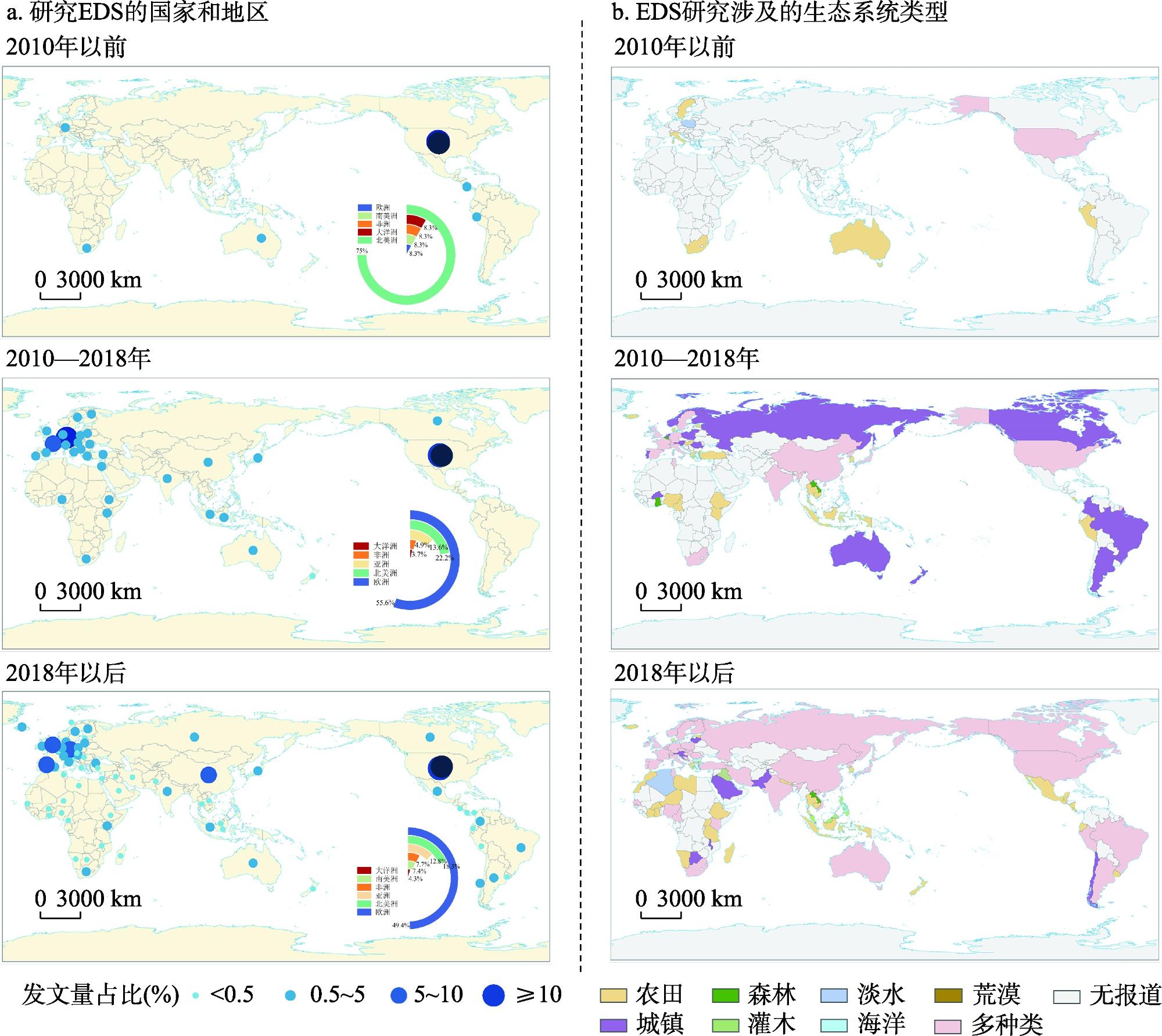
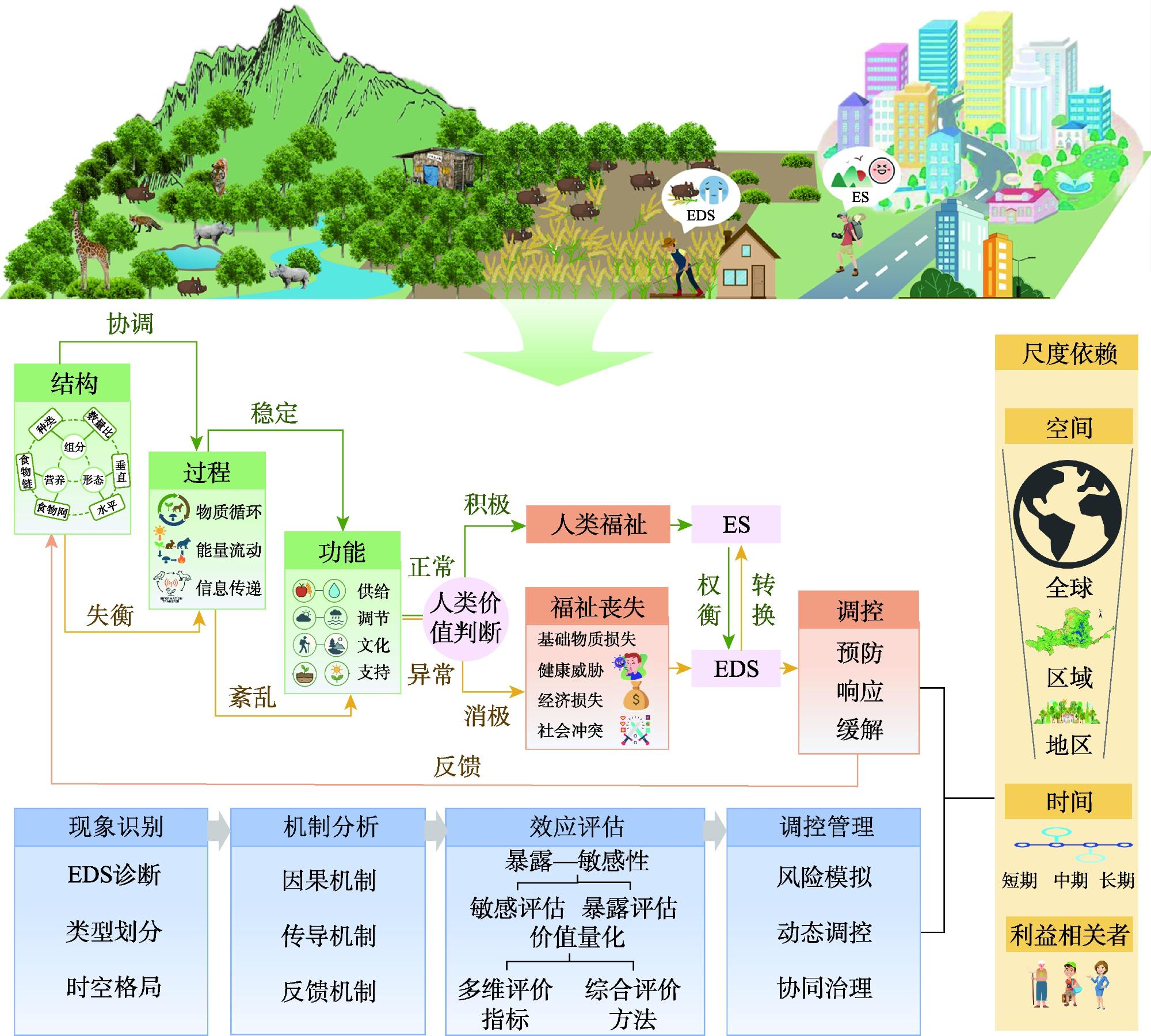
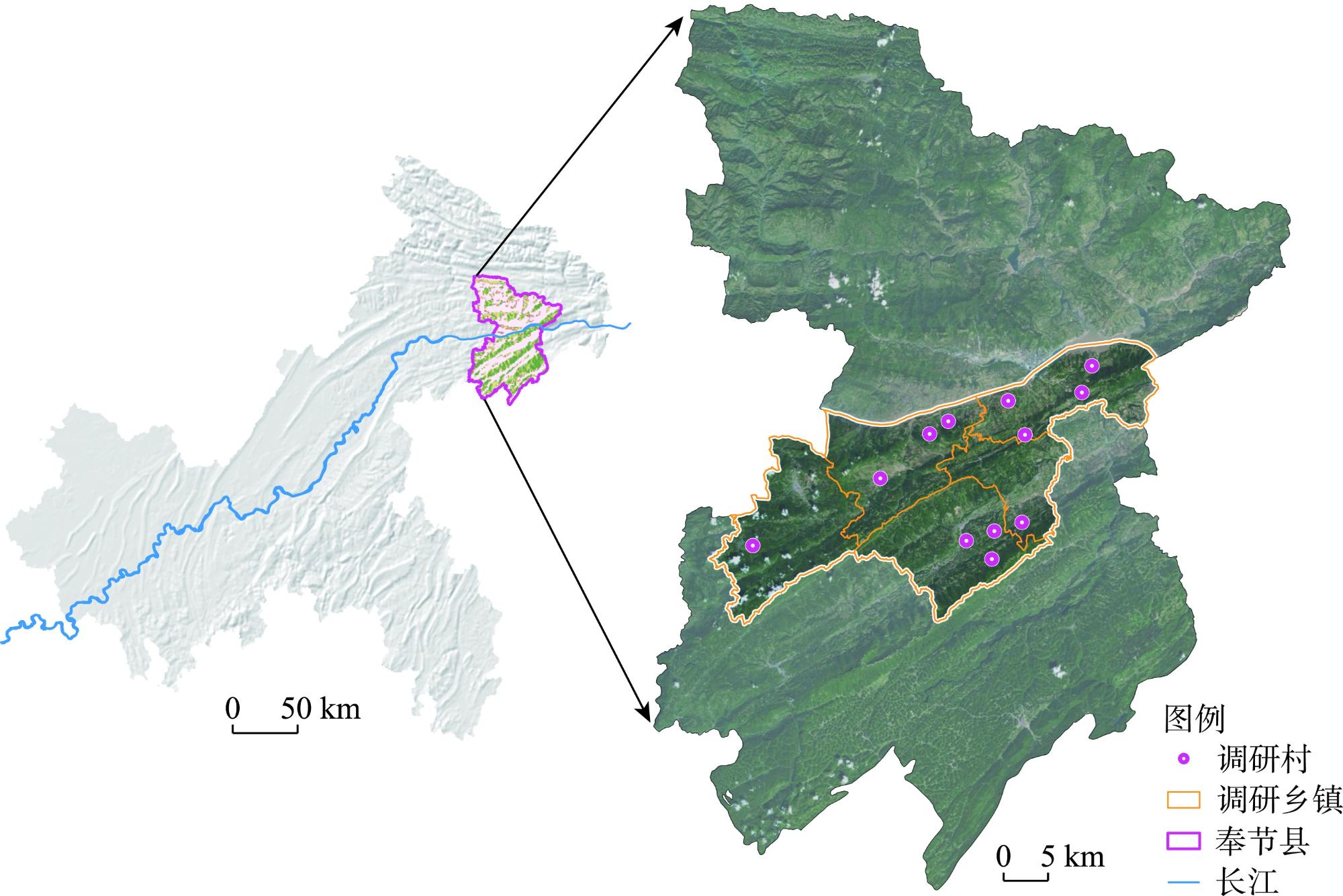
Healthy ecosystems are fundamental to human survival and sustainable development. However, compared to ecosystem services (ES), the understanding of ecosystem disservices (EDS) significantly lags behind, resulting in a lack of comprehensiveness in ecosystem management and decision-making. In response to this gap, this study systematically reviews the latest advancements in EDS research and provides an empirical analysis using wildlife damage as a case study. The findings indicate that: (1) Since the EDS concept emerged in the 1990s, related phenomena have been reported in nearly 100 countries and regions. However, a unified consensus on the concept of EDS has not yet been reached within academia, and its formation mechanisms and effects have not been fully elucidated, lacking a systematic theoretical framework. (2) This study defines EDS as changes in the structure, processes, and functions of ecosystems driven by biological factors, where these changes have direct or indirect negative impacts on human well-being. Following the research paradigm of geography, a theoretical framework centered on "identification-mechanism-effect-regulation" is constructed, emphasizing that EDS exhibits significant scale dependency and spatiotemporal heterogeneity. (3) Typical cases reveal that wild boar damage in mountainous areas is a classic example of agricultural EDS, driven by socio-ecological factors such as ecological environment restoration and conservation policies. This has caused severe impacts on local residents' livelihoods. In the study area, 98.55% of surveyed farmers experienced wild boar damage, with damaged cultivated land reaching 30.62 hectares, accounting for 79.55% of the total surveyed cultivated land, and over 30% of this land was subsequently abandoned. (4) Globally, EDS issues are becoming increasingly prominent. Their impacts not only lead to direct economic losses but also threaten human life and health and trigger social conflicts, highlighting the urgency of EDS regulation. EDS research should focus on constructing multi-scale dynamic analysis frameworks to more accurately capture the evolutionary characteristics of EDS at different scales. Meanwhile, there is an urgent need to establish multi-dimensional evaluation indicator systems and standardized methodologies for the quantitative assessment and comparative study of EDS. Additionally, there is a need to establish regulation mechanisms involving multi-scenario simulation, multi-objective optimization, and multi-stakeholder collaborative governance to achieve integrated management that balances ES and EDS.
YANG Aoxi , WANG Yahui , YANG Qingyuan , KE Xinli , XIN Liangjie , LI Xiubin , KONG Xiangbin . Theoretical framework construction and empirical examination of ecosystem disservices[J]. Acta Geographica Sinica, 2026 , 81(3) : 860 -878 . DOI: 10.11821/dlxb202603014
表1 生态系统致害的相关概念Tab. 1 Conceptual clarification of ecosystem disservices |
| 定义 | 作者及文献来源 | 年份 |
|---|---|---|
| 对人类福祉产生负面影响的生态系统功能。 | Lyytimäki等[35] | 2009 |
| 对人类生活具有不利影响的生态系统功能与结构。 | Dobbs[70] | 2014 |
| 生态系统功能或特性,其产生的影响产生被认为是有害的、令人不愉快和不需要的。 | Lyytimäki[38] | 2015 |
| 对人类福祉产生感觉或者实际负面影响的生态系统功能、过程和特性。 | Shackleton[71] | 2016 |
| 不利于人类福祉的生态系统功能及其最终产品。 | Conway[39] | 2016 |
| 生态过程及其相互作用所导致的结果,会对人类福祉产生影响,并在相应的价值体系中被认定为具有破坏性。 | Saunders[21] | 2020 |
| 生态系统中的某些功能、过程和特性以及生物多样性对人类福祉产生感觉或者实际的负面影响。 | Milanovi´c[69] | 2020 |
表2 生态系统致害的类型Tab. 2 Classification of ecosystem disservices |
表3 基于生态系统类型差异划分的生态系统致害类型Tab. 3 Classification of ecosystem disservices based on ecosystem differences |
| 生态系统类型 | EDS类型 | 典型案例 | 来源 | |
|---|---|---|---|---|
| 人工生态系统 | 农田 | 耕地 | 野生动物破坏农作物 | [76-78] |
| 园地 | 鸟类对成熟果实的自然觅食行为与人类收获的竞争 | [79] | ||
| 城镇 | 居住地 | 城区排水系统易滋生鼠类,传播疫病 | [80] | |
| 城市绿地 | 城市绿化中高致敏植物(如蒿属、柏树)释放花粉,引发季节性过敏症 | [81-83] | ||
| 工矿交通 | 废弃矿坑形成积水区,滋生蚊虫,传播虫媒疾病 | [84] | ||
| 自然生态系统 | 陆地 | 森林 | 某些森林类型(如针叶林)在干燥条件下的自然起火,枯枝落叶积累形成易燃物质 | [85] |
| 灌丛 | 灌丛环境为毒蜘蛛、蝎子等毒虫提供的天然栖息地 | [86] | ||
| 草原 | 野生动物与家畜在有限的生存资源上竞争 | [87] | ||
| 荒漠 | 生长着有毒性的植物若被误食或接触,可能会对人类构成危害 | [88] | ||
| 水域 | 海洋 | 当大量海藻在航道中聚集时,它们可能缠绕在船舶的螺旋桨和舵上,进而阻碍船只的正常航行 | [89] | |
| 淡水 | 红树林常被认为是蚊子等传染病媒介生物的繁殖地;蓝藻水华可能产生难闻的气体和有毒物质,从而威胁人类健康 | [34,53,90-92] | ||
表4 奉节县主要乡镇野猪致害情况的统计Tab. 4 Statistics on wild boar damage in the main towns of Fengjie county |
| 乡镇 | 村庄 | 调查农户 数量(户) | 调查地块 数量(块) | 调查地块 总面积(hm2) | 野猪致害地 块数量(块) | 野猪致害地 块面积(hm2) | 因野猪致害撂荒的地块数量(块) | 因野猪致害撂荒的地块面积(hm2) |
|---|---|---|---|---|---|---|---|---|
| 安坪镇 | 海角村 | 10 | 18 | 2.57 | 11 | 1.47 | 3 | 0.43 |
| 长塝村 | 10 | 17 | 1.96 | 10 | 0.95 | 3 | 0.33 | |
| 紫塘村 | 8 | 18 | 2.37 | 9 | 1.53 | 2 | 0.40 | |
| 甲高镇 | 四湾村 | 12 | 18 | 16.67 | 14 | 16.27 | 6 | 7.23 |
| 五马镇 | 干洞村 | 18 | 29 | 1.90 | 18 | 1.17 | 8 | 0.70 |
| 竹林村 | 13 | 28 | 2.30 | 20 | 2.03 | 2 | 0.20 | |
| 天升村 | 6 | 14 | 1.20 | 14 | 1.20 | 8 | 0.73 | |
| 新民镇 | 中兴村 | 14 | 23 | 1.31 | 18 | 0.98 | 5 | 0.30 |
| 永乐镇 | 江南社区 | 10 | 22 | 1.50 | 16 | 1.10 | 2 | 0.17 |
| 铁甲村 | 12 | 25 | 2.63 | 12 | 0.93 | 5 | 0.55 | |
| 丰收村 | 11 | 18 | 1.73 | 13 | 1.07 | 10 | 0.87 | |
| 幺店村 | 14 | 24 | 2.35 | 19 | 1.93 | 10 | 0.74 | |
| 总和 | 138 | 245 | 38.49 | 174 | 30.62 | 64 | 12.65 | |
| [1] |
[陈峰, 李红波, 张安录. 基于生态系统服务的中国陆地生态风险评价. 地理学报, 2019, 74(3): 432-445.]
|
| [2] |
|
| [3] |
[于德永, 郝蕊芳. 生态系统服务研究进展与展望. 地球科学进展, 2020, 35(8): 804-815.]
|
| [4] |
|
| [5] |
[祝汉收, 翟俊, 侯鹏, 等. 生态系统服务权衡与协同视角下的重点生态功能区保护特征. 地理学报, 2022, 77(5): 1275-1288.]
|
| [6] |
[张琨, 吕一河, 傅伯杰, 等. 黄土高原植被覆盖变化对生态系统服务影响及其阈值. 地理学报, 2020, 75(5): 949-960.]
|
| [7] |
|
| [8] |
|
| [9] |
|
| [10] |
|
| [11] |
|
| [12] |
|
| [13] |
|
| [14] |
|
| [15] |
|
| [16] |
|
| [17] |
|
| [18] |
|
| [19] |
|
| [20] |
|
| [21] |
|
| [22] |
|
| [23] |
|
| [24] |
|
| [25] |
|
| [26] |
|
| [27] |
|
| [28] |
|
| [29] |
|
| [30] |
|
| [31] |
|
| [32] |
|
| [33] |
|
| [34] |
|
| [35] |
|
| [36] |
[宗跃光, 陈红春, 郭瑞华, 等. 地域生态系统服务功能的价值结构分析: 以宁夏灵武市为例. 地理研究, 2000, 19(2): 148-155.]
|
| [37] |
[孙新章, 周海林, 谢高地. 中国农田生态系统的服务功能及其经济价值. 中国人口·资源与环境, 2007, 17(4): 55-60.]
|
| [38] |
|
| [39] |
|
| [40] |
|
| [41] |
|
| [42] |
|
| [43] |
|
| [44] |
|
| [45] |
|
| [46] |
|
| [47] |
[徐建英, 桓玉婷, 孔明. 卧龙自然保护区野生动物肇事农地特征及影响机制. 生态学报, 2016, 36(12): 3748-3757.]
|
| [48] |
[张妮, 周忠学. 城市化进程区农业生态系统正负服务测算: 以长安区为例. 干旱区地理, 2018, 41(2): 409-419.]
|
| [49] |
[陆琴燕, 刘永, 李纯厚, 等. 海洋外来物种入侵对南海生态系统的影响及防控对策. 生态学杂志, 2013, 32(8): 2186-2193.]
|
| [50] |
|
| [51] |
|
| [52] |
|
| [53] |
|
| [54] |
|
| [55] |
|
| [56] |
|
| [57] |
[沟睿. 西部地区农田生态服务价值时空变化特征及影响因素研究. 中国农业资源与区划, 2024, 45(12): 40-48.]
|
| [58] |
[王亚辉, 杨遨郗, 杨庆媛, 等. 中国人—野猪冲突时空特征及对生态系统“反服务”的启示. 地理学报, 2023, 78(1): 163-176.]
|
| [59] |
[张曼琳, 潘妮, 赵娟娟, 等. 城市花粉致敏植物种类构成、分布与潜在危害评估: 以深圳市为例. 生态学报, 2021, 41(22): 8746-8757.]
|
| [60] |
|
| [61] |
|
| [62] |
|
| [63] |
|
| [64] |
|
| [65] |
|
| [66] |
|
| [67] |
|
| [68] |
|
| [69] |
|
| [70] |
|
| [71] |
|
| [72] |
|
| [73] |
|
| [74] |
[王文瑞, 田璐, 唐琼, 等. 生态恢复中生态系统反服务与居民生存的博弈: 以甘肃“猪进人退”现象为例. 地理研究, 2018, 37(4): 772-782.]
|
| [75] |
|
| [76] |
|
| [77] |
|
| [78] |
|
| [79] |
|
| [80] |
[张知彬. 野生动物疫病暴发成因及其防控对策. 中国科学院院刊, 2021, 36(2): 188-198.]
|
| [81] |
|
| [82] |
|
| [83] |
|
| [84] |
[张进德, 郗富瑞. 我国废弃矿山生态修复研究. 生态学报, 2020, 40(21): 7921-7930.]
|
| [85] |
|
| [86] |
[王萌萌. 三亚发布女子被不明生物咬伤身亡事件完整时间线. 新华网, 2025-06-17. https://www.news.cn/20250606/96ac1d433a594799ad026476bf2a602b/c.html.]
|
| [87] |
|
| [88] |
|
| [89] |
|
| [90] |
|
| [91] |
|
| [92] |
|
| [93] |
|
| [94] |
|
| [95] |
|
| [96] |
|
| [97] |
|
| [98] |
|
| [99] |
|
| [100] |
|
| [101] |
|
| [102] |
|
| [103] |
|
| [104] |
|
| [105] |
|
| [106] |
[董世杰, 辛良杰, 李升发, 等. 中国梯田撂荒程度及空间格局分异研究. 地理学报, 2023, 78(1): 3-15.]
|
| [107] |
|
| [108] |
|
| [109] |
|
| [110] |
|
| [111] |
|
| [112] |
|
/
| 〈 |
|
〉 |