



A study framework for the geopolitics of railways from the perspective of geography-technology-power complex
Received date: 2025-01-15
Revised date: 2025-12-06
Online published: 2026-02-05
Supported by
National Natural Science Foundation of China(42171180)
National Natural Science Foundation of China(42130508)
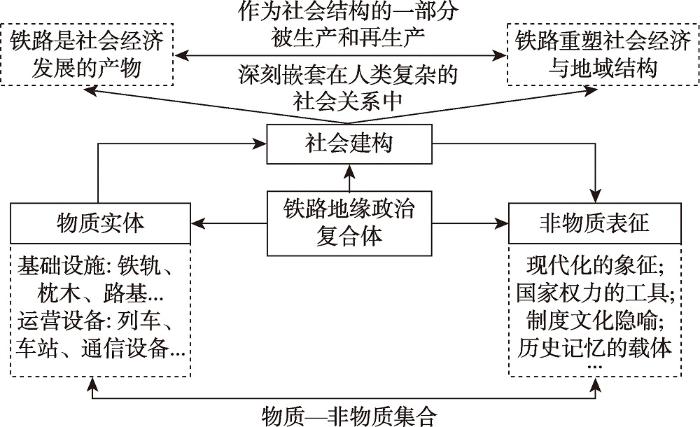
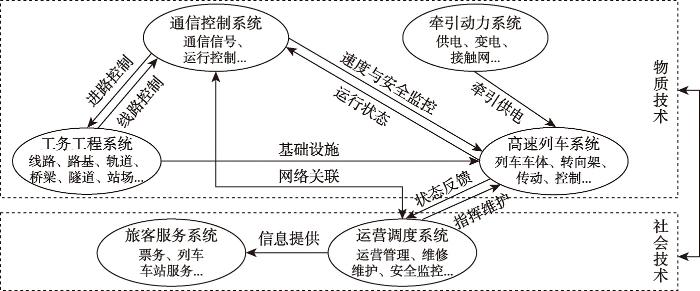
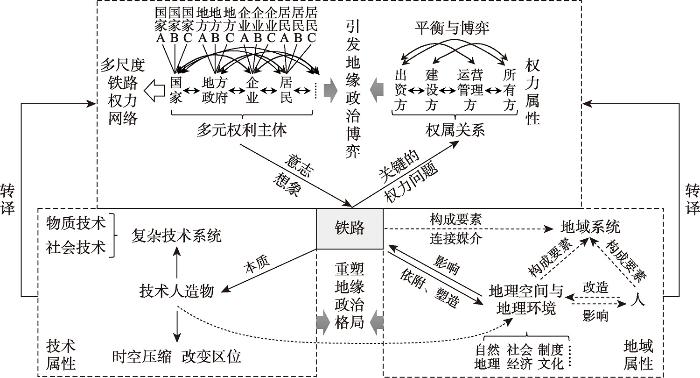
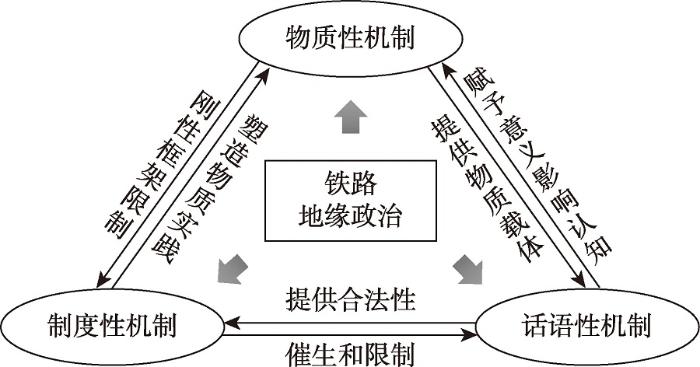
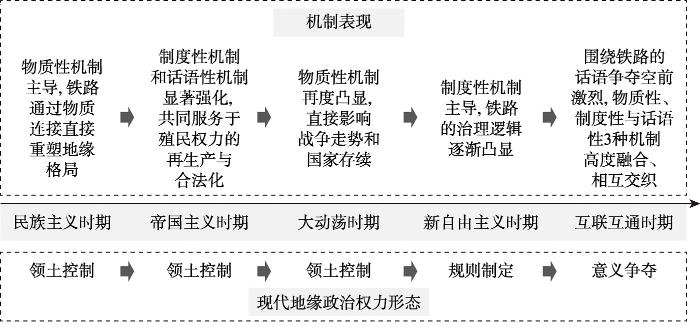
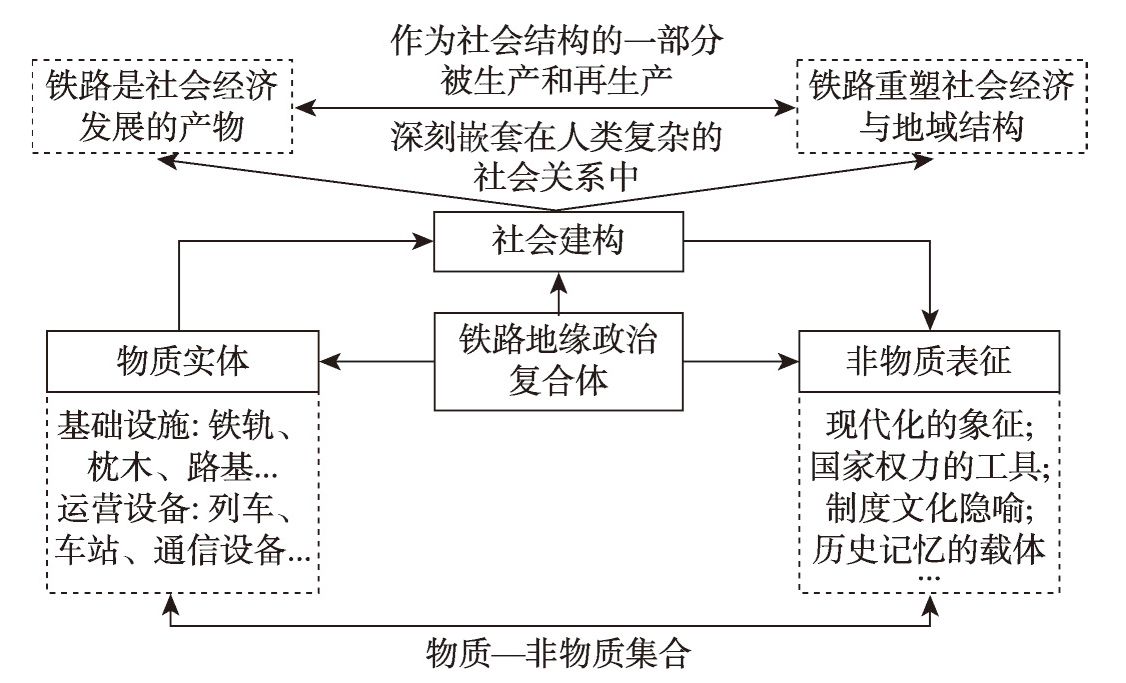
Railways, as a major "engineering technology" emerging in the early 19th century, symbolize a significant milestone in human civilization. Beyond their technical essence, railways embody political, social, cultural, and military dimensions, and should therefore be regarded as geopolitical entities integrating material and immaterial carriers of power across multiple spatial scales. Building on an in-depth analysis of the geopolitical implications of railways, this paper constructs a triadic analytical framework of geography, technology, and power to explore railway geopolitics, and identifies three generative mechanisms through which railway geopolitics is constituted. Based on this framework, the paper traces the evolutionary trajectories of railway geopolitics across different historical stages and compares the mechanisms through which geopolitics has been generated in each period. The study finds that the geographical, technological, and power attributes form the internal logic of railway geopolitics. The co-construction of material, institutional, and discursive mechanisms reveals the generative logic and specific pathways of railway geopolitics. Across five historical stages—nationalism, imperialism, global turmoil, neoliberalism, and connectivity—railways have exhibited distinct geopolitical characteristics. In different historical periods, the geopolitical attributes of railways are different, and the mechanism of railway geopolitics is also different. Its evolution reflects a profound transformation of power forms: from territorial control to rule-making, and further to struggles over meaning. With the global expansion of railway networks, technological advancements, and diversification of power actors, the connotations and manifestations of railway geopolitics continue to evolve, intensifying contests over issues such as finance, debt, sovereignty, and labor. Conducting research on railway geopolitics amidst unprecedented global changes enriches domestic geographical studies on infrastructure and provides practical insights for major national strategies like the Belt and Road Initiative.
SUN Man , SONG Tao , LIU Weidong . A study framework for the geopolitics of railways from the perspective of geography-technology-power complex[J]. Acta Geographica Sinica, 2026 , 81(2) : 342 -362 . DOI: 10.11821/dlxb202602003
表1 铁路地缘政治的演变阶段和特征Tab. 1 Evolution stages and characteristics of railway geopolitics |
| 时间 | 阶段 | 背景 | 铁路地缘政治的典型特征 | ||
|---|---|---|---|---|---|
| 铁路的地域属性 | 铁路的技术属性 | 铁路的权力属性 | |||
| 19世纪初 至19世纪60年代 | 民族 主义 时期 | 第一次工业革命、资本主义 萌芽 | 铁路与生产力相互作用,推动了工业化和城市化 | 铁路进入蒸汽时代,推动技术传播和经济发展 | 铁路承担了民族统一、领土扩张和国家建构等多重作用 |
| 19世纪70年代至20世纪10年代 | 帝国 主义 时期 | 第二次工业革命、帝国主义 殖民扩张、欧 洲证券交易危机 | 铁路迅速传播并开始跨越国界,呈现出主宗主国与殖民地间紧密的地域关系 | 铁路开始发挥越来越多样的功能,重塑社会结构和人们的观念 | 帝国列强纷纷通过攫取海外铁路筑路权以实现权力扩张,建立殖民统治,导致了世界格局的结构性调整 |
| 20世纪20年代至20 世纪60年代 | 大动荡 时期 | 第一次世界大战、第二次世界大战、凯恩斯主义兴起 | 铁路成为军事运输的主要方式,同时战争期间的建设和破坏也重塑了世界铁路格局 | 内燃机车和电气化铁路技术普及,跨洲铁路盛行 | 铁路受到战争和政治意识形态的影响,出现私营和国营等不同趋势 |
| 20世纪70年代至21 世纪初 | 新自由主义 时期 | 新自由主义、经济全球化 | 铁路被嵌入特定的基础设施想象中,成为区域联通和经济融合的媒介 | 高速铁路和重载铁路的技术突破开辟了铁路技术的新纪元 | 在资本逻辑主导下,铁路成为一种重要的投资方式,反映国家的经济和政治目标 |
| 21世纪初 至今 | 互联 互通 时期 | 经济危机、基础设施主导发展的全球体制、“一带一路”倡议 | 铁路越来越广泛地跨越国家政治边界,成为互联互通的重要领域 | 智能化、数字化和低碳化成为世界铁路发展的重要方向 | 铁路成为多元权力主体在空间和时间上实现和固定想象和相关权力的工具,形成了复杂的权力网络 |
| [1] |
[刘卫东,
|
| [2] |
|
| [3] |
[安宁, 杨宇, 杨晓婷. 地理学视角下中外基础设施研究的比较与反思. 地理学报, 2023, 78(12): 2958-2972.]
|
| [4] |
[金凤君, 王姣娥. 20世纪中国铁路网扩展及其空间通达性. 地理学报, 2004, 59(2): 293-302.]
|
| [5] |
[金凤君, 焦敬娟, 齐元静. 东亚高速铁路网络的发展演化与地理效应评价. 地理学报, 2016, 71(4): 576-590.]
|
| [6] |
|
| [7] |
[王成金, 李绪茂, 陈沛然, 等. 基于轨距的亚欧大陆铁路地缘系统格局及形成机理. 地理学报, 2020, 75(8): 1725-1741.]
|
| [8] |
[张晓通. 世界铁路的地缘政治考察. 北京: 人民出版社, 2022: 2-3, 18-19.]
|
| [9] |
[赵坚. 青藏铁路在维护国家统一和地缘政治中的作用. 中国铁路, 2016(6): 6-11.]
|
| [10] |
|
| [11] |
|
| [12] |
|
| [13] |
|
| [14] |
[胡志丁, 陆大道. 基于批判地缘政治学视角解读经典地缘政治理论. 地理学报, 2015, 70(6): 851-863.]
|
| [15] |
|
| [16] |
[张衔春, 栾晓帆, 李志刚. “城市区域”主义下的中国区域治理模式重构: 珠三角城际铁路的实证. 地理研究, 2020, 39(3): 483-494.]
|
| [17] |
|
| [18] |
|
| [19] |
|
| [20] |
|
| [21] |
[王姣娥, 杜方叶, 刘卫东. 制度与文化对嵌入式技术海外转移的影响: 以蒙内铁路为例. 地理学报, 2020, 75(6): 1147-1158.]
|
| [22] |
[陆大道, 杜德斌. 关于加强地缘政治地缘经济研究的思考. 地理学报, 2013, 68(6): 723-727.]
|
| [23] |
|
| [24] |
[黄宇, 葛岳静, 马腾, 等. 中国高铁外交的地缘空间格局. 地理科学进展, 2017, 36(12): 1489-1499.]
|
| [25] |
[王雨, 安宁, 胡志丁, 等. 政治地理学研究中“地理”的重要性: 兼论中国政治地理学的范式选择和理论建构. 地理研究, 2022, 41(3): 931-944.]
|
| [26] |
[杨宇. 论地缘能权. 自然资源学报, 2020, 35(11): 2572-2584.]
|
| [27] |
|
| [28] |
[哈尔福德·麦金德. 历史的地理枢纽. 北京: 商务印书馆, 1985.]
|
| [29] |
[武伟, 宋迎昌. 论铁路干线对沿线地区经济开发的影响. 经济地理, 1997, 17(1): 92-96.]
|
| [30] |
[尼古拉斯·斯皮克曼. 和平地理学.刘愈之, 林爽喆, 译. 上海: 上海人民出版社, 2016: 86-97.]
|
| [31] |
[王浩宇, 常春利. 作为权力工具的基础设施: 一个理解全球安全的视角. 国际安全研究, 2026, 44(1): 75-104.]
|
| [32] |
[王丰龙, 刘云刚. 尺度政治理论框架. 地理科学进展, 2017, 36(12): 1500-1509.]
|
| [33] |
[沃尔夫冈. 希弗尔布施. 铁道之旅: 19世纪空间与时间的工业化. 上海: 上海人民出版社, 2018: 41.]
|
| [34] |
|
| [35] |
|
| [36] |
[王浩宇. 工程国家: 一个理解现代国家权力运作的理论框架. 探索与争鸣, 2023(2): 89-101, 179, 182.]
|
| [37] |
|
| [38] |
[克里斯蒂安·沃尔玛. 通向世界尽头. 李阳, 译. 北京: 生活·读书·新知三联书店, 2017: 100.]
|
| [39] |
|
| [40] |
|
| [41] |
|
| [42] |
|
| [43] |
[王成金, 谢永顺, 陈沛然, 等. 铁路技术跨越式转移的制度—经济—文化适应性: 基于亚吉铁路的实证分析. 地理学报, 2020, 75(6): 1170-1184.]
|
| [44] |
[吴传钧. 论地理学的研究核心: 人地关系地域系统. 经济地理, 1991, 11(3): 1-6.]
|
| [45] |
[胡志丁, 张喆, 赵路平. 地缘环境研究的理念及议程与路径. 地理学报, 2023, 78(1): 198-213.]
|
| [46] |
|
| [47] |
[大公. 话说铁路:中国铁路读本. 北京: 中国铁道出版社, 2001: 2.]
|
| [48] |
[
|
| [49] |
|
| [50] |
|
| [51] |
[刘云刚, 王韬. 中国政治地理学研究进展评述. 地理学报, 2022, 77(6): 1506-1517.]
|
| [52] |
[安宁, 朱竑. 美国《时代》杂志对中国的地理想象: 基于东方主义视角的研究. 地理学报, 2013, 68(12): 1702-1713.]
|
| [53] |
[林耿, 潘恺峰. 地理想象: 主客之镜像与建构. 地理科学, 2015, 35(2): 137-143.]
|
| [54] |
[翁时秀. 基于理论旅行视角的人文地理学中想象地理研究反思. 地理学报, 2018, 73(2): 261-275.]
|
| [55] |
|
| [56] |
|
| [57] |
[胡志丁, 杜德斌. 日本德川幕府时期的地缘环境分析: 兼论国别地缘环境分析框架. 地理学报, 2020, 75(10): 2047-2060.]
|
| [58] |
|
| [59] |
|
| [60] |
[陶伟, 蔡浩辉, 高雨欣, 等. 身体地理学视角下非物质文化遗产的传承与实践. 地理学报, 2020, 75(10): 2256-2268.]
|
| [61] |
|
| [62] |
|
| [63] |
|
| [64] |
|
| [65] |
|
| [66] |
|
| [67] |
|
| [68] |
|
| [69] |
|
| [70] |
|
| [71] |
|
| [72] |
[宋长青, 葛岳静, 刘云刚, 等. 从地缘关系视角解析“一带一路”的行动路径. 地理研究, 2018, 37(1): 3-19.]
|
| [73] |
[安宁. 津巴布韦对中国国家形象的动态地理想象: 基于批判地缘政治理论的分析. 地理学报, 2022, 77(6): 1518-1530.]
|
| [74] |
[克里斯蒂安·沃尔玛尔. 铁路改变世界. 刘媺, 译. 上海: 上海人民出版社, 2019: 4.]
|
| [75] |
|
| [76] |
|
| [77] |
|
| [78] |
|
| [79] |
|
| [80] |
|
| [81] |
|
| [82] |
|
| [83] |
|
| [84] |
[龚云. 铁路史话. 北京: 社会科学文献出版社, 2011: 12.]
|
| [85] |
|
| [86] |
|
| [87] |
|
| [88] |
|
| [89] |
|
| [90] |
|
| [91] |
|
| [92] |
[高菠阳, 刘卫东, 宋涛, 等. 社会变革和制度文化制约下的“多尺度嵌入”: 以缅甸莱比塘铜矿项目为例. 地理研究, 2020, 39(12): 2718-2730.]
|
| [93] |
[刘卫东, 姚秋蕙. “一带一路”建设模式研究: 基于制度与文化视角. 地理学报, 2020, 75(6): 1134-1146.]
|
| [94] |
|
| [95] |
|
| [96] |
|
| [97] |
|
| [98] |
|
| [99] |
[杜德斌, 马亚华. “一带一路”: 中华民族复兴的地缘大战略. 地理研究, 2015, 34(6): 1005-1014.]
|
| [100] |
[宋周莺, 刘卫东. 新时期高水平对外开放与“一带一路”建设. 经济地理, 2023, 43(3): 15-22.]
|
/
| 〈 |
|
〉 |