



Transformation characteristics and development mechanism of typical agricultural settlement in Southern Hebei Plain since reform and opening-up
Received date: 2020-02-10
Request revised date: 2020-12-12
Online published: 2021-06-25
Supported by
National Natural Science Foundation of China(41671138)
National Natural Science Foundation of China(41571164)
Humanities and Social Sciences Financed by Ministry of Education(20YJCZH069)
Hebei Provincial Natural Science Foundation(D2020205001)
Universities' Humanities and Social Science Research Program of Hebei Province of China(SQ201140)
Copyright
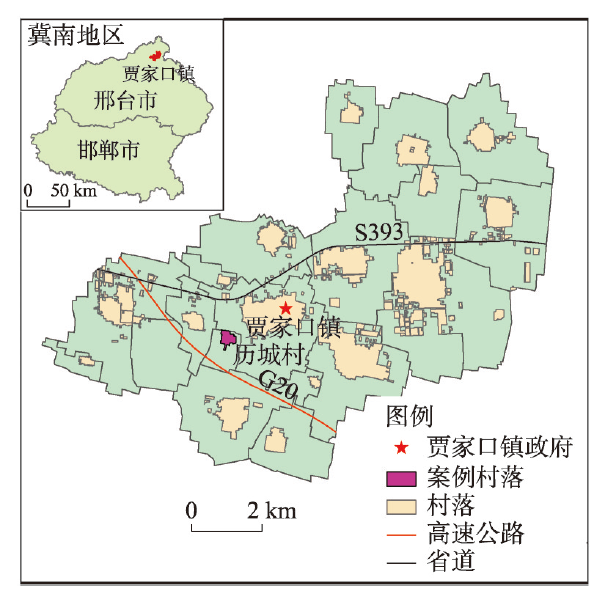
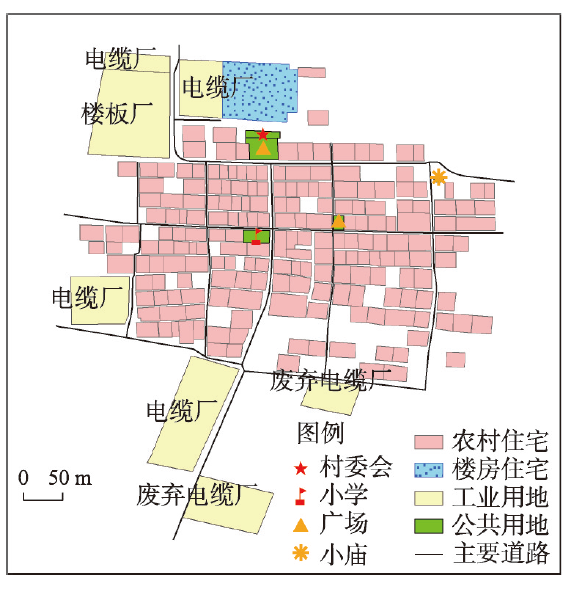
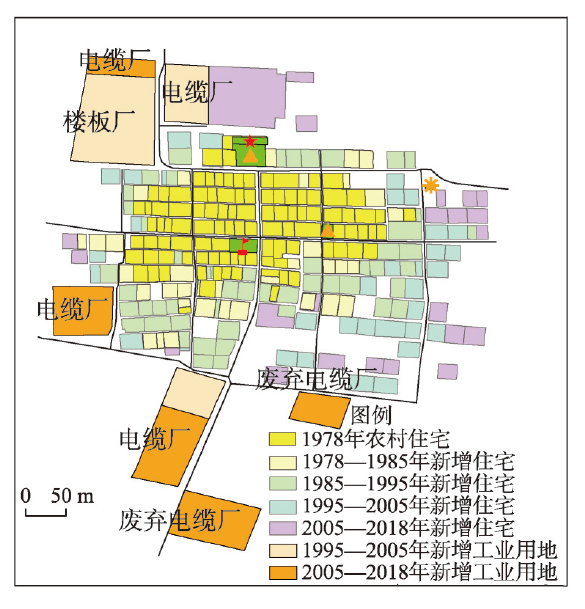
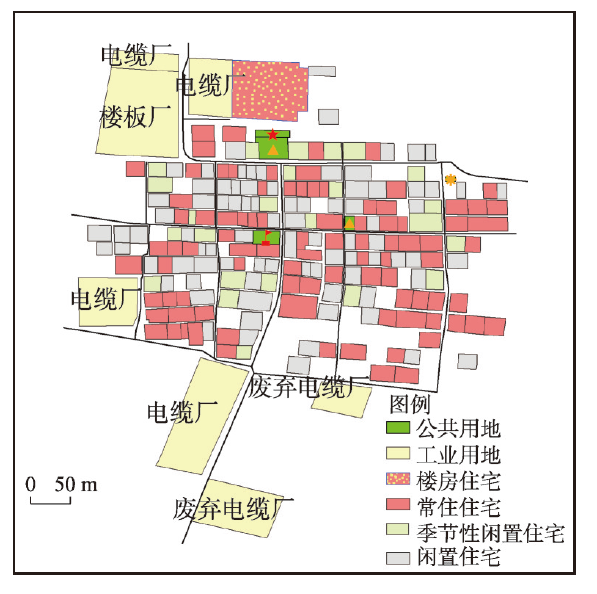
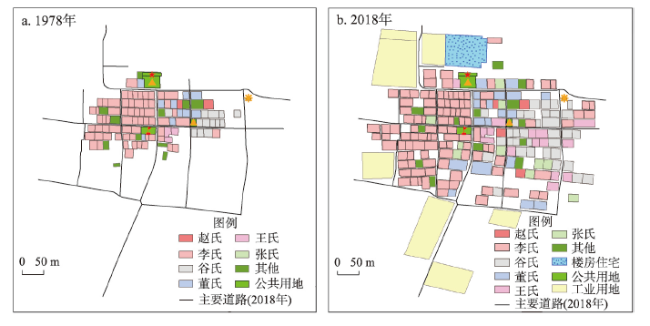
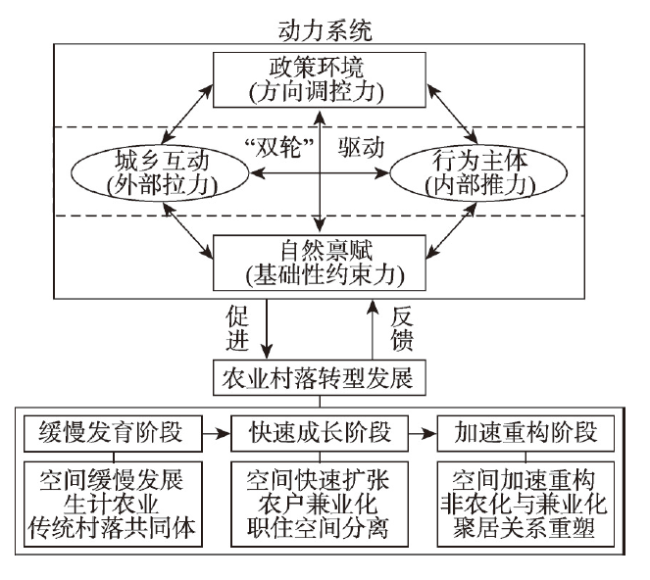
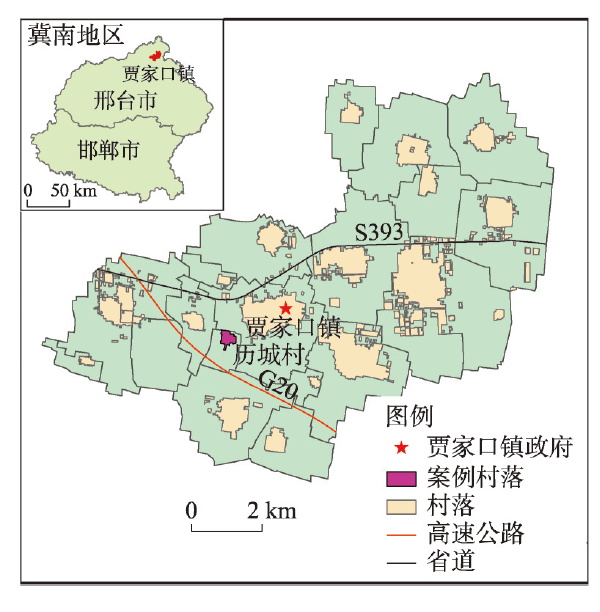
The scientific understanding of the transformation process and rules of agricultural settlement since the reform and opening-up after 1978 is very important to revitalizing and improving the agricultural economy and living condition. In this paper, we take a small village, Licheng, Ningjin County of Hebei Province as an example to explore the transformation process and development mechanism of agricultural settlement from settlement space, economic situation and social life since the reform and opening-up. In this case, some conclusions can be drawn as follows. (1) The total space of construction area increased significantly, with the gradual enlargement of residential space and the expansion of industrial land along the edge of the old village. Three stages have been identified, namely, slow development, rapid expansion, and high speed reconstruction. (2) With the continuous improvement of agricultural mechanization and farm products commercialization, the proportion of non-agricultural income increased gradually, indicating more and more commercial production and consumption in farmers' daily life. The transformation of village economic situation also has gone through three stages: agricultural livelihood stage, part-time agricultural and part-time non-agricultural livelihood stage, non-agricultural and part-time agricultural livelihood stage. (3) Due to the enlargement and reconstruction of social relation between villagers, the transformation of villagers' social life went through three stages: traditional rural life stage, separation of occupation and residence stage, and partly empty-nest elderly and partly empty-nest stage. (4) Natural endowment, behavior representatives (village committees, peasant households, and enterprises), urban-rural interaction, and policy environment respectively play roles of basic binding force, internal pushing force, external pulling force, and space-economy-society regulating force in the transformation of agricultural villages, which interact and jointly promote the transformation and development of agricultural settlements. A new concept of town and village co-community was proposed. It will provide a theoretical reference for implementing the strategy of rural revitalization and solving the dilemma of agricultural settlement transformation in China.
LI Zhi , LIU Jinsong . Transformation characteristics and development mechanism of typical agricultural settlement in Southern Hebei Plain since reform and opening-up[J]. Acta Geographica Sinica, 2021 , 76(4) : 939 -954 . DOI: 10.11821/dlxb202104011
表1 1978—2018年历城村建设用地和人均住宅用地统计数据Tab. 1 Statistics of construction land and residential land per capita in Licheng village from 1978 to 2018 |
| 年份 | 建设用地总 规模(hm²) | 住宅用地总 规模(hm²) | 工业用地总 规模(hm²) | 户籍/常住 人口(人) | 户籍/常住人均 住宅用地(m²/人) |
|---|---|---|---|---|---|
| 1978 | 2.47 | 2.24 | 0 | 302/302 | 74.01/74.01 |
| 1985 | 3.36 | 3.15 | 0 | 369/365 | 85.38/86.31 |
| 1995 | 4.90 | 4.68 | 0 | 462/460 | 101.46/101.90 |
| 2005 | 7.23 | 5.67 | 1.36 | 517/470 | 109.74/120.71 |
| 2018 | 10.04 | 6.97 | 2.89 | 599/401 | 116.44/173.73 |
注:建设用地数据根据历城村聚落空间图层数据统计得出。 |
表2 1978—2018年历城村农业种植结构变化(hm2)Tab. 2 Changes of cropping structure in Licheng village from 1978 to 2018 (hm2) |
| 年份 | 耕地总面积 | 农业种植用地结构 |
|---|---|---|
| 1978 | 59.47 | 冬春季:小麦(51.47)、蔬菜(3.33)、棉花(4.67) 夏秋季:玉米(48.80)、谷子(2.67)、蔬菜(3.33)、棉花(4.67) |
| 1985 | 59.47 | 冬春季:小麦(34.14)、蔬菜(2.00)、花生(3.33)、棉花梨树兼作(20.00) 夏秋季:玉米(30.14)、谷子(4.00)、花生(3.33)、蔬菜(2.00)、棉花梨树兼作(20.00) |
| 1995 | 59.47 | 冬春季:小麦(36.13)、花生(3.34)、棉花(10.67)、梨树(9.33) 夏秋季:玉米(34.80)、谷子(1.33)、花生(3.34)、棉花(10.67)、梨树(9.33) |
| 2005 | 49.47* | 冬春季:小麦(42.13)、花生(3.34)、棉花(4.00) 夏秋季:玉米(42.13)、花生(3.34)、棉花(4.00) |
| 2018 | 49.47* | 冬春季:小麦(48.80),闲置(0.67) 夏秋季:玉米(48.80),闲置(0.67) |
注:*2003年因国家建设青银高速(G20)公路,占用历城村南部耕地10 hm2。 |
表3 2018年历城村农业投入和产出平均状况(元/hm2)Tab. 3 Average status of agricultural input and output in Licheng village in 2018 (yuan/hm2) |
| 类别 | 农业投入和产出平均状况(元/hm2) |
|---|---|
| 投入 | 种子(小麦1125+玉米450=1575)、化肥(4500)、农药(小麦3次×300+玉米2次×300=1500)、机械灌溉(小麦3次×675+玉米1次×675=2700)、机械翻地(1350)、机械种植(小麦300+玉米300=600)、机械收割(小麦900+玉米900=1800),合计:14025(劳动力成本不计) |
| 收入 | 小麦17250+玉米15000=32250 |
| 利润 | 18225 |
注:数据来自50个农户调研结果。 |
表4 1978—2018年历城村农户年均日常生活消费支出情况(元/户)Tab. 4 Average annual living consumption of a household in Licheng village from 1978 to 2018 (yuan/household) |
| 项目 | 1978年 | 1985年 | 1995年 | 2005年 | 2018年 | |
|---|---|---|---|---|---|---|
| 日常生活必需品消费(共性消费) | 水费 | 0 | 0 | 0 | 0 | 130 |
| 电费 | - | 40 | 150 | 250 | 1200 | |
| 燃料费 | 60 | 350 | 1100 | 1700 | 2300 | |
| 油肉蛋奶蔬等消费额* | 170(农户 自给率95%) | 390(农户 自给率90%) | 1830(农户 自给率38%) | 3860(农户 自给率5%) | 9850(农户 自给率2%) | |
| 小计1 | 230 | 780 | 3080 | 5810 | 13480 | |
| 生活必需品消费(半共性消费) | 服装鞋包等 | 70 | 240 | 800 | 2000 | 3860 |
| 网络电话 | 0 | 0 | 0 | 650 | 840 | |
| 交通消费 | 0 | 20 | 130 | 360 | 730(若拥有汽车,费用4350) | |
| 小计2 | 70 | 260 | 930 | 3010 | 5430 | |
注:单位为元/户(当年价格),每户设定为4人;1978年该村尚未通电,电费不计;*农户的粮面等主食自给率几乎为100%,不列入生活必需品消费支出。数据来自50户村民调查问卷,难以获取精确数据,故表中数据为约数。 |
表5 1978—2018年历城村成年人口的职业构成(人)Tab. 5 Occupational compositions of adults in Licheng village from 1978 to 2018 (person) |
| 职业 | 1978年 | 1985年 | 1995年 | 2005年 | 2018年 |
|---|---|---|---|---|---|
| 全职农民 | 175 | 144 | 167 | 94 | 32 |
| 兼业农民 | 0 | 24 | 103 | 135 | 147 |
| 在本地打工的非农村民(住村) | 0 | 9 | 21 | 91 | 160 |
| 在外地打工的非农村民(居外) | 2 | 7 | 15 | 55 | 59 |
| 其他成年村民(村干部,大学生,残疾、重病等失能人员) | 16 | 19 | 27 | 30 | 42 |
| 合计 | 193 | 203 | 333 | 405 | 440 |
注:统计口径为成年户籍人口;表中数据来自《历城村人口户籍登记表》和重点访谈对象调研。 |
表6 农业村落转型不同阶段的主导作用力Tab. 6 Major driving forces of agricultural settlement in different transformation stages |
| 转型阶段 | 动力因素 | |||
|---|---|---|---|---|
| 自然禀赋 | 行为主体 | 城乡互动 | 政策环境 | |
| 缓慢发育阶段 | ++ | -- | -- | ++ |
| 快速成长阶段 | + | ++ | ++ | + |
| 加速重构阶段 | -- | ++ | + | ++ |
注:“++”代表作用力强,“+”表示作用力较强,“--”号表示作用力弱。 |
| [1] |
[ 刘彦随. 中国新时代城乡融合与乡村振兴. 地理学报, 2018,73(4):637-650.]
|
| [2] |
|
| [3] |
|
| [4] |
[ 尼克·盖伦特, 梅丽·云蒂, 苏·基德, 等. 闫琳, 译. 乡村规划导论. 北京: 中国建筑工业出版社, 2015.]
|
| [5] |
|
| [6] |
|
| [7] |
|
| [8] |
|
| [9] |
|
| [10] |
|
| [11] |
|
| [12] |
|
| [13] |
|
| [14] |
|
| [15] |
|
| [16] |
|
| [17] |
|
| [18] |
[ 冯健. 乡村重构: 模式与创新. 北京: 商务印书馆, 2012.]
|
| [19] |
[ 王勇, 李广斌. 苏南乡村聚落功能三次转型及其空间形态重构: 以苏州为例. 城市规划, 2011,35(7):54-60.]
|
| [20] |
[ 乔家君, 马玉玲. 城乡界面动态模型研究. 地理研究, 2016,35(12):2283-2297.]
|
| [21] |
[ 张京祥, 申明锐, 赵晨. 超越线性转型的乡村复兴: 基于南京市高淳区两个典型村庄的比较. 经济地理, 2015,35(3):1-8.]
|
| [22] |
[ 杨山, 杨虹霓, 季增民, 等. 快速城镇化背景下乡村居民生活圈的重组机制: 以昆山群益社区为例. 地理研究, 2019,38(1):119-132.]
|
| [23] |
[ 杨忍. 广州市城郊典型乡村空间分化过程及机制. 地理学报, 2019,74(8):1622-1636.]
|
| [24] |
[ 杨忍, 徐茜, 李璐婷. 珠三角地区城乡空间转型过程及影响因素. 地理研究, 2016,35(12):2261-2272.]
|
| [25] |
[ 马晓冬, 李鑫, 胡睿, 等. 基于乡村多功能评价的城市边缘区“三生”空间划分研究. 地理科学进展, 2019,38(9):1382-1392.]
|
| [26] |
[ 贺艳华, 范曙光, 周国华, 等. 基于主体功能区划的湖南省乡村转型发展评价. 地理科学进展, 2018,37(5):667-676.]
|
| [27] |
|
| [28] |
[ 刘彦随. 中国东部沿海地区乡村转型发展与新农村建设. 地理学报, 2007,62(6):563-570.]
|
| [29] |
[ 龙花楼, 屠爽爽. 论乡村重构. 地理学报, 2017,72(4):563-576.]
|
| [30] |
[ 龙花楼. 论土地整治与乡村空间重构. 地理学报, 2013,68(8):1019-1028.]
|
| [31] |
[ 屠爽爽, 龙花楼, 张英男, 等. 典型村域乡村重构的过程及其驱动因素. 地理学报, 2019,74(2):323-339.]
|
| [32] |
[ 龙花楼, 屠爽爽. 乡村重构的理论认知. 地理科学进展, 2018,37(5):581-590.]
|
| [33] |
[ 龙花楼. 论土地利用转型与乡村转型发展. 地理科学进展, 2012,31(2):131-138.]
|
| [34] |
[ 龙花楼, 邹健, 李婷婷, 等. 乡村转型发展特征评价及地域类型划分: 以“苏南—陕北”样带为例. 地理研究, 2012,31(3):495-506.]
|
| [35] |
[ 李婷婷, 龙花楼. 山东省乡村转型发展时空格局. 地理研究, 2014,33(3):490-500.]
|
| [36] |
[ 贺雪峰. 新乡土中国. 北京: 北京大学出版社, 2013.]
|
| [37] |
[ 毛丹. 村庄的大转型. 浙江社会科学, 2008(10):2-12.]
|
| [38] |
[ 毛丹. 村落共同体的当代命运: 四个观察维度. 社会学研究, 2010,25(1):1-33.]
|
| [39] |
[ 王萍. 发达国家乡村转型研究及其提供的思考. 浙江社会科学, 2015(4):56-62.]
|
| [40] |
[ 刘守英, 王一鸽. 从乡土中国到城乡中国: 中国转型的乡村变迁视角. 管理世界, 2018(10):128-146.]
|
| [41] |
[ 徐勇. “再识农户”与社会化小农的建构. 华中师范大学学报(人文社会科学版), 2006,45(3):2-8.]
|
| [42] |
[ 李小建. 中国中部农区发展研究. 北京: 科学出版社, 2010.]
|
| [43] |
[ 吴娜琳, 李小建, 乔家君. 农户行为与专业村形成的关系研究: 以河南省柘城县史老八杨木加工专业村为例. 地理科学, 2014,34(3):322-331.]
|
| [44] |
[ 刘彦随, 周扬, 李玉恒. 中国乡村地域系统与乡村振兴战略. 地理学报, 2019,74(12):2511-2528.]
|
| [45] |
[ 贺艳华, 邬建国, 周国华, 等. 论乡村可持续性与乡村可持续性科学. 地理学报, 2020,75(4):736-752.]
|
| [46] |
[ 戈大专, 龙花楼. 论乡村空间治理与城乡融合发展. 地理学报, 2020,75(6):1272-1286.]
|
/
| 〈 |
|
〉 |