



The transmission and practice of intangible cultural heritage in the perspective of geographies of the body
Received date: 2019-05-07
Request revised date: 2020-06-30
Online published: 2020-12-25
Supported by
Major Program of National Social Science Foundation of China(18ZDA161)
Copyright
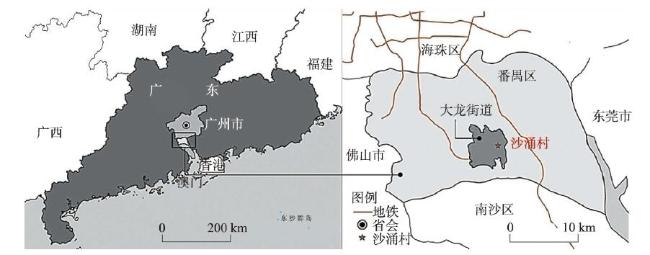
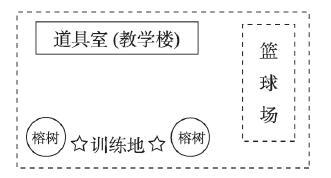
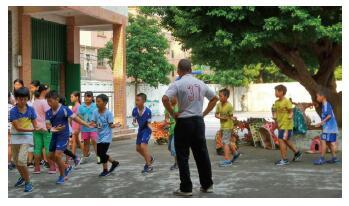
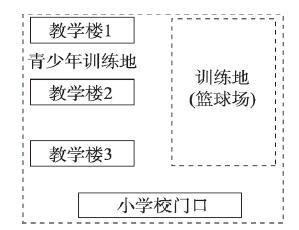
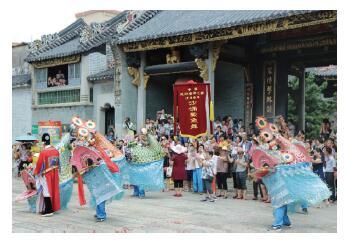
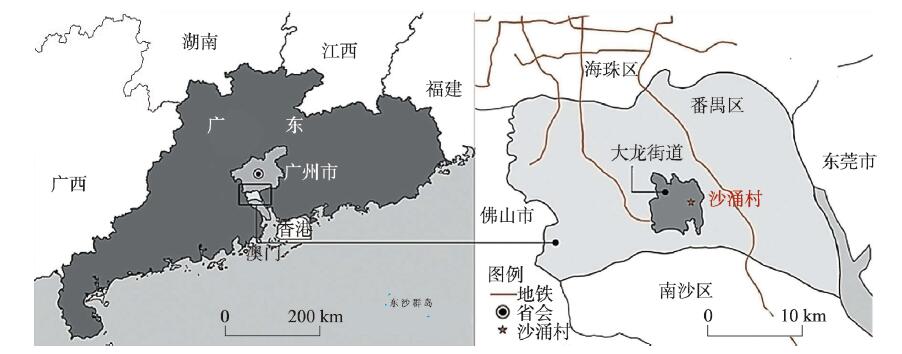
Intangible cultural heritage is essentially the "embodied heritage" according to the fact that the human body is the subject and carrier of intangible heritage with the power of structuring and performing heritage. This article selects Shachong Aoyu Dance, an intangible cultural heritage in Guangzhou and its transmitters as the study case and research subject respectively. Based on the perspective of geographies of the body, a diachronic investigation on both the transmitters' training and performance was conducted to explore how their body techniques formed in the process of training and to interpret how they experience a performing process. In the space-time of training, transmitters who has higher proficiency of Aoyu Dance lead the relationship between old and new transmitters. The senior transmitters obtain a particular power in this space due to their professional body techniques. This relationship is formed based on hierarchical domination and discipline. The affectual flow between senior and junior transmitters is significantly impacted by their interactions, and it is also influenced by their biological characteristics. The junior transmitters, however, can overcome the negative impacts of the disciplinary relationship and the biological resistances of their bodies. Therefore, the junior transmitters can actively engage in the emotional and affectual interaction between the old transmitters, their own bodies and themselves. The social and cultural relation in the local village is the main force forming the politics of relationship during the training process. In the space-time of performance, the body is the core of transmitters' multisensory experience. The transmitters firstly perceive their surroundings in performing, and then establish a visual interaction with the audience through "gazing" and "being gazed". With the supplement of rhythm and sound, the transmitters can successfully connect themselves to the audience with full emotional and affectual circulations and contagions, which helps the transmitters increase the strength of performance and reciprocate these procedures. The bodies of transmitters are thus the premise and guarantee for the inheritance and performance of intangible cultural heritage. The body, carrying the rich local history and culture, occupies a central position in this complex space-time network that is characterized by multi-subject and multi-level.
Key words: body; embody; intangible cultural heritage; transmitters; Aoyu Dance
TAO Wei , CAI Haohui , GAO Yuxin , ZHANG Chujing , JIANG Yingzhen . The transmission and practice of intangible cultural heritage in the perspective of geographies of the body[J]. Acta Geographica Sinica, 2020 , 75(10) : 2256 -2268 . DOI: 10.11821/dlxb202010015
表1 访谈对象基本信息Tab. 1 The basic information of interviewees |
| 编号 | 代码 | 年龄(岁) | 性别 | 身份 | 备注 |
|---|---|---|---|---|---|
| 01 | XZL | 57 | 男 | 沙涌村保安队队员 | 非物质文化遗产省级传承人 |
| 02 | JS | 72 | 男 | 退休 | |
| 03 | JSJ | 75 | 男 | 前村委会书记 | 非物质文化遗产省级传承人 |
| 04 | JYC | 42 | 女 | 村委会干部 | |
| 05 | JZJ | 22 | 女 | 村委会工作人员 | |
| 06 | XSA | 9 | 男 | 沙涌小学小学生 | 此外包括对同类型访谈对象的若干次集体访谈 |
| 07 | XSB | 10 | 男 | 沙涌小学小学生 | |
| 08 | XSC | 10 | 女 | 沙涌小学小学生 | |
| 09 | BYA | 42 | 男 | 巡游表演者 | |
| 10 | BYB | 37 | 男 | 巡游表演者 | |
| 11 | CMA | 24 | 女 | 普通村民 | 此外包括对同类型访谈对象的若干次集体访谈 |
| 12 | CMB | 34 | 女 | 普通村民 | |
| 13 | YKA | 25 | 男 | 外来游客观众 | 此外包括对同类型访谈对象的若干次集体访谈 |
| 14 | YKB | 30 | 男 | 外来游客观众 |
表2 展演空间的具身感官体验Tab. 2 Performers' sensory experience in performing space |
| 身体体验 | 展演空间的具体表现 |
|---|---|
| 视觉 | 建筑:村内的房子;狭窄的村道;具有鳌鱼文化特色的村内建筑物;大量观众;同行的其他表演者 |
| 触觉 | 穿着道具的承重感;化妆、服饰的附着感;出汗的感觉 |
| 嗅觉 | 出汗后的汗味;周围环境的味道 |
| 听觉 | 观众的欢呼声;表演音乐的演奏声 |
感谢奥克兰大学王绍续博士给予的帮助、张驰城同学在研究前期构思提供的建议以及张俊杰同学在调研采访和资料整理中的协助。
| [1] |
[ 向云驹 . 论非物质文化遗产的身体性: 关于非物质文化遗产的若干哲学问题之三. 中央民族大学学报(哲学社会科学版), 2010,37(4):63-72.]
|
| [2] |
[ 刘锡诚 . 传承与传承人论. 河南教育学院学报(哲学社会科学版), 2006,25(5):24-36.]
|
| [3] |
|
| [4] |
[ 麻国庆, 朱伟 . 文化人类学与非物质文化遗产. 北京: 三联书店. 2018: 39-48.]
|
| [5] |
|
| [6] |
[ 陶伟, 王绍续, 朱竑 . 身体、身体观以及人文地理学对身体的研究. 地理研究, 2015,34(6):1173-1187.]
|
| [7] |
|
| [8] |
[ 樊友猛, 谢彦君 . “体验”的内涵与旅游体验属性新探. 旅游学刊, 2017,32(11):16-25.]
|
| [9] |
|
| [10] |
|
| [11] |
|
| [12] |
[ 米歇尔·福柯 . 规训与惩罚(修订译本). 刘北成, 杨远婴, 译. 北京: 三联书店, 2012.]
|
| [13] |
[ 王敏, 江荣灏, 朱竑 . 人文地理学的“视觉”研究进展与启示. 人文地理, 2017,32(3):10-19.]
|
| [14] |
|
| [15] |
[ 蔡少燕, 陶伟 . 从漠视到觉醒: 西方旅游研究对身体的再认识. 人文地理, 2019,34(4):1-12.]
|
| [16] |
|
| [17] |
|
| [18] |
|
| [19] |
|
| [20] |
[ 林耿, 沈建萍 . 大城市健身消费与地方建构. 地理学报, 2011,66(10):1321-1331.]
|
| [21] |
|
| [22] |
[ 黄敏瑶, 张敏 . 具身实践下的地方认知: 非表征理论与南京马拉松. 地理研究, 2019,38(6):1355-1366.]
|
| [23] |
[ 尹铎, 蔡慕言, 梁金多 , 等. 广州城市流浪乞讨者的空间管治与日常生活实践. 地理科学, 2019,39(3):450-458.]
|
| [24] |
[ 陶伟, 王绍续, 朱竑 . 广州拾荒者的身体实践与空间建构. 地理学报, 2017,72(12):2199-2213.]
|
| [25] |
|
| [26] |
|
| [27] |
|
| [28] |
|
| [29] |
|
| [30] |
[ 李菲 . 身体的隐匿: 非物质文化遗产的知识反思. 北京: 民族出版社, 2017.]
|
| [31] |
|
| [32] |
|
| [33] |
|
| [34] |
|
| [35] |
|
| [36] |
[ 王敏, 林钿, 江荣灏 , 等. 传统节庆、身体与展演空间: 基于人文地理学视觉量化方法的研究. 地理学报, 2017,72(4):671-684.]
|
| [37] |
|
| [38] |
[ 余舜德 . 体物入微: 物与身体感的研究. 新竹: 国立清华大学出版社, 2008: 1-43.]
|
| [39] |
|
| [40] |
[ 林晓珊 . 反思性身体技术: 一项汽车与身体的扎根理论研究. 社会学研究, 2013(6):144-168.]
|
| [41] |
[ 马晟 . 身体技术论视角下太极拳身体技术的习得: 以日本千叶县太极拳教室的质性研究为例. 体育学刊, 2014(5):58-62]
|
| [42] |
|
| [43] |
[ 皮埃尔·布迪厄 . 实践感. 蒋梓骅, 译. 南京: 译林出版社, 2016.]
|
| [44] |
|
| [45] |
[ 文军 . 身体意识的觉醒: 西方身体社会学理论的发展及其反思. 华东师范大学学报(哲学社会科学版), 2008,40(6):73-81.]
|
| [46] |
|
| [47] |
[ 张连海 . 感官民族志: 理论、实践与表征. 民族研究, 2015(2):55-67.]
|
| [48] |
[ 李凡, 杨蓉, 黄丽萍 . 怀旧消费空间地方建构的比较研究: 以广州怀旧餐厅为例. 地理科学进展, 2015,34(4):505-516.]
|
| [49] |
|
| [50] |
[ 陶伟, 程梓源 . 他者凝视下粤剧粤曲展演空间分析: 广州荣华楼曲艺茶座个案研究. 人文地理, 2015,30(2):50-57.]
|
| [51] |
|
| [52] |
|
| [53] |
|
| [54] |
|
| [55] |
|
| [56] |
|
/
| 〈 |
|
〉 |